
Plants
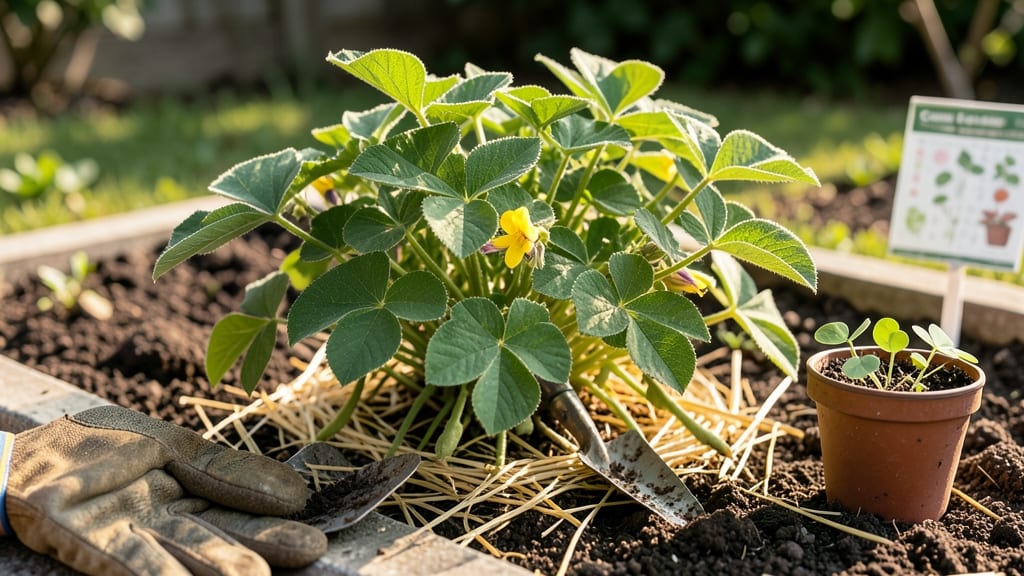
If you're wondering when to plant peanuts in NC, timing is everything—because these 🥜 little powerhouses need warmth to thrive. Plant too early, and frost will nip your crop before it starts; too late, and your harvest might miss the sweet spot of September-October.
North Carolina’s 7a-8b zones give you a narrow window—late April to early June—but soil temperature (not just air temp) is the real game-changer.
Most gardeners in the Tar Heel State wait until the ground reaches a steady 68°F+, which usually aligns with your county’s last frost date. Coastal areas like Wilmington can start earlier, while the Piedmont’s higher elevations might need to hold off until May.
The key? Checking your local frost-free timeline—because peanuts are annuals with a short growing season (120 days to harvest), and every day counts.
Here’s the good news: once you nail the timing, peanuts are one of the most rewarding crops to grow in NC. They’re drought-tolerant once established, thrive in sandy soil (great for the Coastal Plain), and even improve soil health.
But skip the prep work, and you’ll end up with moldy pods or stunted plants. I’ll walk you through how to read your soil’s temperature cues, adjust for your specific region, and pick the right variety for your 100–140-day growing window.
Ready to grow your own 🥜 harvest? Let’s break down the exact steps—from soil prep to county-specific planting calendars—so you can avoid common mistakes and enjoy a bumper crop by fall. Your first step? Grab a thermometer and check those soil temps!
Peanut planting timeline in NC: soil temperature & frost-free dates by county
North Carolina’s diverse climate—from the humid Coastal Plain to the cooler Appalachian Mountains—means your peanut planting window depends heavily on soil temperature and frost-free dates. Peanuts (🥜) are warm-season crops that need consistent soil temps of 68°F+ to thrive.
Plant too early, and your pods will rot; too late, and your harvest shrinks. Let’s break down the ideal planting months for NC’s three key regions.
Most NC gardeners should aim to plant peanuts between late April and early June, but exact timing shifts by county and microclimate.
For example, Coastal Plain counties (like Robeson or Duplin) can start as early as mid-April when soil warms faster, while mountain regions (like Haywood or Mitchell) may need to wait until mid-June. Always verify your last frost date using the NC State Extension’s County Cooperative Extension tool.
Here’s the critical rule: Never plant peanuts in cold soil. Use a soil thermometer to confirm temps hit 68°F+ at 4-inch depth—this is non-negotiable. In USDA Zones 7a–8b, this typically aligns with mid-May for Piedmont and late April for Coastal areas.
Mountain zones (Zone 6b) often miss the window entirely, making peanuts a risky bet unless you use a greenhouse or raised beds for earlier starts.
Pro tip: If you’re in a transition zone (like the Sandhills or Piedmont), plant Early Spanish varieties first—they mature in 90–100 days, giving you flexibility if summer heat arrives late. For longer seasons (Coastal Plain), Virginia-type peanuts (120+ days) perform best.
| Region | Ideal Planting Window | Soil Temp Requirement | Key Risks |
|---|---|---|---|
| Coastal Plain (Robeson, Duplin) | Mid-April to early May | 68°F+ (soil warms fastest) | Sandy soil drains too fast; needs irrigation |
| Piedmont (Orange, Guilford) | Late April to mid-May | 68°F+ (wait for last frost) | Clay soil compacts; pegs rot if waterlogged |
| Mountains (Haywood, Mitchell) | Mid-June (risky; short season) | 70°F+ (greenhouse recommended) | Frost possible in September; low yields |
If you’re unsure about your local conditions, plant in stages: Sow half your seeds in early May and the rest two weeks later. This hedges against unpredictable weather. For example, 2023’s late spring frost in the Piedmont caught many gardeners off guard—staggering your plantings can save your harvest.
Peanuts need a long growing season (100–140 days), so aim to harvest before the first frost (typically mid-November in most of NC). In the Coastal Plain, you might get a second chance with late-July plantings, but this is risky due to summer heat stress.
Always monitor your plants’ foliage color—when leaves turn yellow and crispy, it’s time to dig!
One common mistake? Assuming “after Memorial Day” is safe. Don’t skip the soil thermometer—even in June, early-morning temps can dip below 60°F in Piedmont gardens. For container growing, use black plastic mulch to warm soil faster, especially in cooler zones.
For a foolproof timeline, align your planting with NC’s peanut maturity zones.
The NC Peanut Growers Association recommends: - Early varieties (90 days): Plant by May 15 for harvest by September 1. - Mid-season varieties (110 days): Plant by May 1 for harvest by September 15. - Late varieties (130+ days): Only viable in Coastal Plain (plant by April 15).
Ready to plant? Grab your soil thermometer, check your county’s frost data, and mark your calendar for late April to early June. Your 🥜 harvest depends on it!
How to prepare your NC soil for peanut planting (and avoid common mistakes)
Peanuts need well-draining, sandy loam soil with a pH between 6.0 and 6.5 to thrive in North Carolina. If your soil is too heavy or compacted—common in Piedmont clay—amend it with compost or aged manure before planting.
Sandy Coastal Plain soils may need extra organic matter to retain moisture without suffocating roots.
Test your soil at least 4-6 weeks before planting using a home pH test kit or send a sample to the NC State Extension Service. Adjust pH with lime (to raise pH) or sulfur (to lower pH) as needed.
Peanuts are sensitive to excessive phosphorus, so avoid over-fertilizing with high-P blends.
Clear the planting area of weeds and debris, then till the soil to a depth of 8-12 inches. Peanuts hate competition, so remove any grass or broadleaf weeds that could steal nutrients.
For raised beds, mix in 1-2 inches of compost and sand (for Coastal Plain) or perlite (for Piedmont) to improve drainage.
Plant seeds 1.5–2 inches deep in rows spaced 18–24 inches apart. Thin seedlings to 3–4 inches apart once they’re 2–3 inches tall. Mulch with straw or pine needles to retain moisture and suppress weeds, but avoid organic mulch that may harbor sclerotinia fungus, a common peanut pathogen.
Water deeply once a week during dry spells, aiming for 1–1.5 inches of water per week. Early morning watering prevents fungal diseases like leaf spot. Reduce watering as harvest approaches to harden peanut shells—this improves storage life and flavor.
Monitor for soil-borne diseases like tomato spotted wilt virus (TSWV) by checking for yellowing leaves or stunted growth. Rotate crops annually to break disease cycles, and plant marigolds nearby to repel pests like cutworms and aphids. 🌱