
Plants
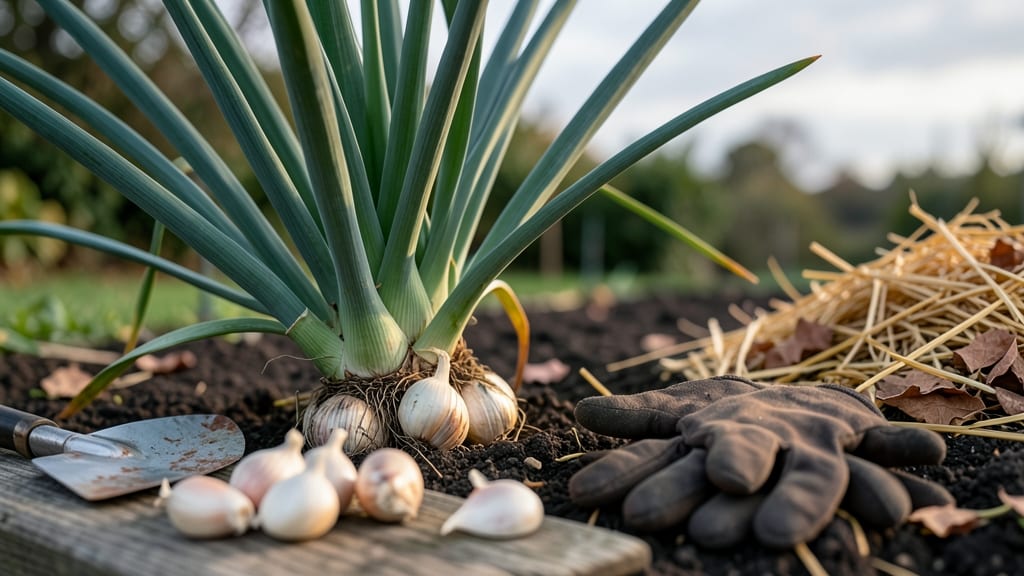
Timing your 🧄 garlic planting in Oklahoma could mean the difference between a thriving garden and a wasted effort. The fall planting window—between October and November—is critical, but getting it wrong can leave your cloves rotting in the soil before they even sprout.
Oklahoma’s USDA zones 6b-7a create unique challenges, where hot summers and chilly winters demand precision. Plant too early, and your garlic might rot; too late, and you’ll end up with small, underdeveloped bulbs.
But when you nail the timing, you’re rewarded with plump, flavorful harvests by late June or July.
I’ll walk you through the exact planting dates for your hardiness zone, soil prep tips, and how to choose between hardneck and softneck varieties. Whether you’re a seasoned gardener or just starting, these insights will help you grow garlic like a pro.
Ready to turn your Oklahoma garden into a garlic powerhouse? Let’s get started with the perfect fall schedule for your climate.
Best fall planting dates for garlic in Oklahoma by hardiness Zone
Oklahoma’s diverse hardiness zones (6b through 8a) mean your garlic planting window varies by location. In Zone 6b (northwest Oklahoma), you’ll want to plant by mid-October to avoid winter rot, while Zone 8a (south-central Oklahoma) can extend planting until early December.
The key is planting 4-6 weeks before the ground freezes—typically when soil temps drop to 50°F.
Garlic thrives on cold winter dormancy to develop flavorful bulbs, but too much moisture or warmth can trigger rot. Oklahoma’s first frost dates (mid-November in most zones) signal the perfect window.
For example, in Zone 7a (central Oklahoma), aim for late October to early November—this balances cold exposure with frost protection.
Moon phases also influence success. Planting during a waxing moon (when the moon is growing) encourages root development, while a waning moon may produce smaller bulbs. Check lunar calendars for your planting dates—Oklahoma’s October full moon (around October 28) is an ideal target for most zones.
| Hardiness Zone | Optimal Planting Window | Soil Temp Threshold | Key Notes |
|---|---|---|---|
| 6b (Northwest OK) | Mid-October to early November | 50-55°F | Plant by November 15; risk of winter rot if late |
| 7a (Central OK) | Late October to early November | 50-55°F | Balanced cold exposure; ideal for hardneck varieties |
| 7b (Southeast OK) | Early November to mid-November | 55-60°F | Extend planting to early December in mild winters |
| 8a (South-Central OK) | Early November to early December | 60-65°F | Softneck varieties perform best; monitor for late frosts |
For Zone 6b gardeners, prioritize hardneck garlic varieties like ‘German White’ or ‘Music’, which handle colder winters. In Zone 8a, opt for softneck types such as ‘Silverskin’ or ‘Artichoke’, which tolerate milder winters.
Both types need 6-8 hours of sun daily, but hardnecks produce larger bulbs in Oklahoma’s climate.
Use a soil thermometer to confirm readiness—plant when temps consistently stay below 60°F at night. In Zone 7a, this usually aligns with late October. If you miss the fall window, spring planting is possible (March in Oklahoma), but bulbs will be smaller and less flavorful.
Pro tip: Mulch heavily after planting (3-4 inches of straw) to insulate cloves during winter. This is especially critical in Zone 6b, where temps can drop below 20°F. Mulch also prevents soil heaving—a common issue in Oklahoma’s freeze-thaw cycles.
Garlic planted at the right time in Oklahoma will sprout in spring (March-April) and reach harvest readiness by late June to July. The longer the cold period, the larger and more flavorful your bulbs will be—perfect for Oklahoma’s growing season.
Don’t forget to break bulbs into individual cloves before planting, leaving the papery skin intact. Plant the pointy end up, 2 inches deep, and 4-6 inches apart in rows 12 inches apart for easy harvesting. This spacing works across all Oklahoma zones.
For a second harvest, try planting a small batch in December (Zone 7b/8a only). These late-planted cloves will mature 2-3 weeks earlier in summer, giving you two harvests in one season—a smart strategy for Oklahoma’s variable climate.
How to prepare your Oklahoma soil for garlic planting
Garlic thrives in well-draining, nutrient-rich soil, but Oklahoma’s clay-heavy soils can pose challenges. Before planting, focus on improving drainage and organic matter to create the ideal growing conditions. Poor soil prep often leads to rotten cloves or stunted growth, so don’t skip this step—your harvest depends on it.
Start by testing your soil pH, which should be between 6.0 and 7.0 for garlic. Oklahoma’s alkaline soils often need adjustment. You can use a home test kit or send a sample to your local Cooperative Extension office.
If your pH is too high, mix in sulfur or peat moss to lower it gradually over a few months.
Next, enrich your soil with aged compost or well-rotted manure. Work in 2-3 inches of compost into the top 6-8 inches of soil. This adds essential nutrients like phosphorus and potassium, which garlic needs for strong bulb development.
Avoid fresh manure, as it can burn delicate roots and introduce harmful pathogens.
For extra insurance, add a balanced fertilizer (like 10-10-10) at planting time. Sprinkle 1/2 cup per 10 feet of row and lightly mix it into the soil. This gives your garlic a nutrient boost without overloading it.
If your soil is particularly poor, you can apply a low-nitrogen fertilizer again in early spring to support growth.
Finally, create a raised bed if your soil is extremely dense or waterlogged. Fill it with a mix of topsoil, compost, and perlite for perfect drainage. Raised beds also warm up faster in spring, giving your garlic a head start.
Just ensure the bed is at least 6 inches deep to accommodate garlic’s root system.
With the right soil prep, your garlic will establish strong roots quickly, setting the stage for large, flavorful bulbs by next summer. Don’t rush this step—healthy soil is the foundation of a successful harvest. 🌱