
Plants
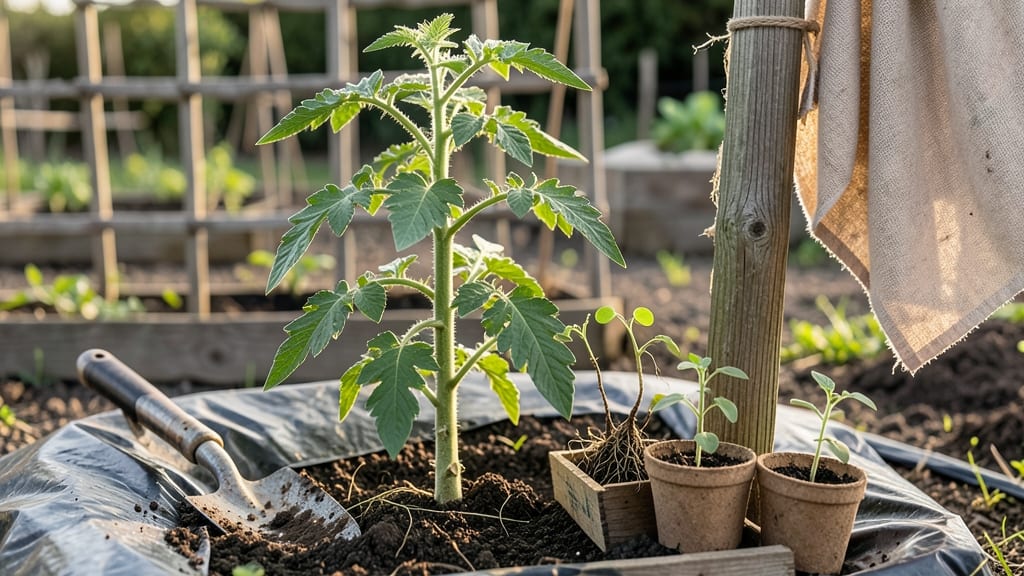
If you’ve ever watched your 🍅 tomato plants wilt overnight because of a surprise frost—or missed the planting window and ended up with puny harvests—you know when can you plant tomatoes in Massachusetts is everything.
The state’s USDA Zones 5b-6b bring unpredictable springs, where last frost dates can swing by weeks between coastal Boston and inland Worcester.
But here’s the good news: with the right strategy, you can maximize your harvest by starting seeds indoors as early as March and transplanting outdoors after May 10—the average last frost date.
Whether you’re a first-time gardener or a seasoned pro, knowing the exact windows for direct sowing versus seed-starting makes all the difference.
In this guide, I’ll break down the optimal planting dates for your zone, plus how to adjust for late frosts, soil temperature quirks, and even microclimates like the Berkshires or Cape Cod. You’ll also discover the best early-maturing varieties that thrive in Massachusetts’ short season.
Ready to turn your garden into a tomato powerhouse? Let’s dive into the exact steps—so you can enjoy juicy, homegrown fruit from June through October without the guesswork.
Massachusetts tomato planting calendar: exact dates by USDA Zone 5b vs 6b
Massachusetts spans USDA Zones 5b (Western MA) and 6b (Eastern MA), creating a 10-14 day difference in ideal planting times. In Zone 5b, where last frosts average May 15th, you’ll need to start seeds earlier indoors.
Zone 6b gardeners can wait until May 1st for soil warmth, but both zones share the same 60°F soil temperature threshold for transplanting.
Your first frost date (October 15th) means tomatoes need 165 frost-free days. Early varieties like 'Stupice' (60 days) work for Zone 5b, while 'Mountain Merit' (70 days) suits Zone 6b. Let’s break down the exact windows for indoor seed starting and outdoor transplanting in our comparison table below.
🌱
| Task | Zone 5b (Western MA) | Zone 6b (Eastern MA) |
|---|---|---|
| Last Frost Date | May 15 | May 1 |
| Start Seeds Indoors | March 15-31 | March 22-April 7 |
| Hardening Off | April 15-30 | April 22-May 1 |
| Transplant Outdoors | May 15-31 | May 1-15 |
| Soil Temp Threshold | 60°F | 60°F |
| Backup Window | June 1-15 (with row cover) | June 1-7 (with row cover) |
For Zone 5b gardeners, starting seeds by March 15th ensures strong seedlings ready for transplant by May 15th. In Zone 6b, you can delay until April 1st for indoor starts. Use a soil thermometer to confirm 60°F soil—cold soil stunts roots and delays fruit set.
Pro tip: In Western MA’s valleys (like the Berkshires), last frosts can hit June 1st—plan for row covers or cold-hardy varieties like 'Glacier.' Coastal areas (like Cape Cod) may see earlier soil warming, but watch for windburn on young plants.
🌡️
If your soil stays below 60°F past the ideal transplant window, use black plastic mulch to warm it 5-10°F faster. For container growing, move pots to a sunny patio after nighttime temps stay above 50°F. Both strategies extend your harvest window by 2-3 weeks.
📅Key takeaway: Zone 5b = earlier starts, Zone 6b = later flexibility. Always have backup seedlings ready for late frosts—trust me, I’ve lost three batches of tomatoes to May surprises!
How to adjust tomato planting dates for Massachusetts’ unpredictable spring
Massachusetts’ unpredictable spring weather can throw off even the best-laid tomato planting plans. A late frost in May or cool, wet soils can delay your transplant window by weeks. The key is flexibility—knowing how to adjust your schedule based on real-time conditions rather than relying solely on averages.
Start by monitoring your local frost-free dates. While the average last frost for Zone 5b (Western MA) is May 10, coastal areas like Cape Cod may see frost as late as May 25.
Use a frost calendar from your nearest Cooperative Extension office (UMass Amherst) for hyper-local data.
Here’s my adjustment strategy for high-risk areas: If frost threatens after your planned transplant date, use row covers or a mini greenhouse to protect seedlings. For Berkshire Valley gardeners, delay planting until June 1 if April/May stays cold—your harvest won’t suffer as long as you choose early-maturing varieties.
Soil temperature is another critical factor. Tomatoes need soil temps above 60°F to thrive. Use a soil thermometer to check depths of 2–4 inches. If temps hover around 55°F, wait 1–2 weeks or use black plastic mulch to warm the soil faster.
In Zone 6b (Eastern MA), this often means pushing transplant dates to late May.
For gardeners in coastal microclimates, like Martha’s Vineyard or Nantucket, embrace fall planting. Transplant heat-tolerant varieties like 'Solar Fire' in early July for a late-season harvest. These areas benefit from longer daylight in summer, giving tomatoes extra time to mature before frost.
Pro tip: Keep a backup batch of seedlings indoors until mid-June. This safety net ensures you’re not scrambling if spring’s last frost arrives late. Pair this with cold-hardy varieties like 'Stupice' (tolerates temps down to 32°F for short periods) to maximize your growing window.
Finally, watch for pest cues like early hornworms or aphid infestations, which often appear in late May. If pests delay your planting, prioritize disease-resistant varieties and use neem oil sprays to protect young plants. Adjusting your timeline isn’t about perfection—it’s about working with Mother Nature.
⚠️ Late Frost Warning
Zone 5b gardeners: If frost is forecasted after your transplant date, cover plants with row fabric and use cloche protectors. For extreme cold snaps (<32°F), move potted seedlings indoors temporarily. Never plant before soil reaches 55°F—root growth stalls below this temp, stressing plants.
Remember, Massachusetts’ growing season is short but productive. By staying flexible and using these adjustments, you’ll maximize your tomato yield even with spring’s surprises. Next, we’ll explore the best tomato varieties for your zone’s challenges.