
Plants
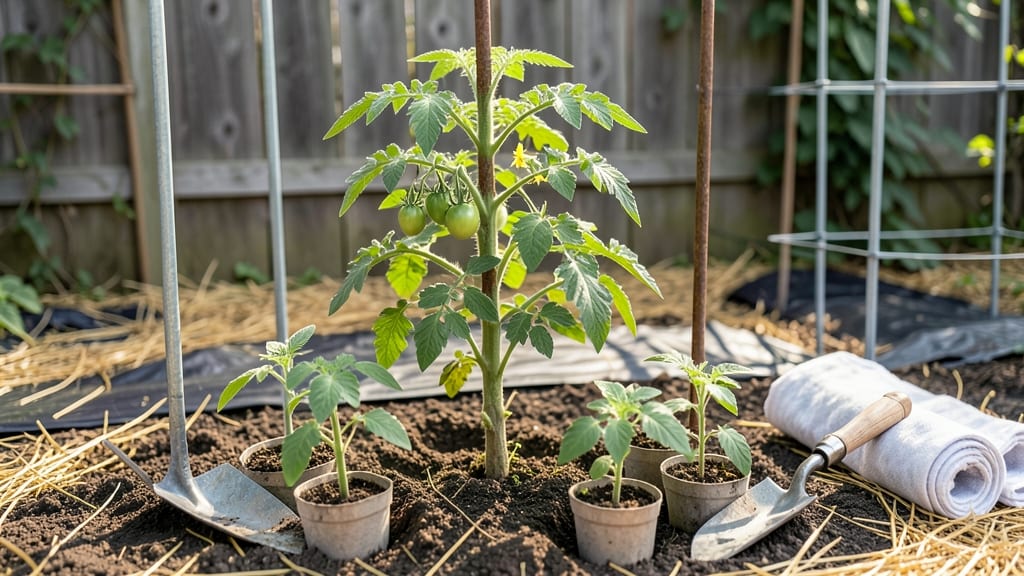
If you've ever wondered when to plant tomatoes in Washington State, the answer isn't one-size-fits-all—but getting it right can mean the difference between a bountiful harvest and a wasted season. Washington's diverse climate zones, from the cool coastal areas to the hotter inland valleys, create unique challenges for gardeners.
Timing is everything, especially when you consider USDA Zones 5 through 8 across the state. Plant too early, and a late frost could kill your seedlings; too late, and you might miss the growing window entirely.
The key lies in understanding your specific microclimate and choosing the right cold-hardy varieties that thrive in Washington's unpredictable weather.
In this guide, I'll walk you through the best planting windows for your region, whether you're starting seeds indoors, transplanting seedlings, or direct sowing. You'll also discover how to extend your growing season with practical tips tailored to Puget Sound's marine influence or the Yakima Valley's dry heat.
From frost dates to soil temperature thresholds, we'll cover everything you need to know to grow juicy, homegrown tomatoes from spring through fall—no matter where you garden in Washington. Let's get started!
Washington State planting zones & best tomato varieties by month
Washington State spans USDA Zones 5 through 8, creating dramatic differences in planting windows from the cooler Puget Sound region to the warmer Yakima Valley.
In Zone 5 (eastern WA), last frost dates can linger until May 15, while Zone 8 (southwest WA) may see frost-free conditions by March 15. These variations mean your planting schedule should shift 6-8 weeks depending on location.
For direct sowing outdoors, aim for 2-3 weeks after your last frost date when soil temperatures reach at least 60°F (15°C). In Zone 5, this often means late May to early June, while Zone 7-8 gardeners can start as early as mid-April.
Starting seeds indoors 6-8 weeks before transplanting gives you flexibility to adjust timing based on weather.
Washington’s cool maritime climate favors cold-hardy tomato varieties like 'Mountain Merit' (disease-resistant, early producer) or 'Stupice' (a Czech heirloom that thrives in cooler temps).
For longer growing seasons in Zone 7-8, heat-tolerant varieties like 'Solar Fire' or 'Heatmaster' perform best when planted in late May to June to avoid bolting.
Here’s how to match your USDA Zone with the best planting window and varieties:
| Zone | Last Frost Date | Best Planting Window | Cold-Hardy Varieties | Heat-Tolerant Varieties |
|---|---|---|---|---|
| 5 (Eastern WA) | Mid-May | Late May–Early June | Mountain Merit, Stupice, Glacier | Solar Fire, Heatmaster |
| 6 (Central WA) | Early May | Early–Mid May | Mountain Spring, Oregon Spring | Celebrity, Better Boy |
| 7 (Western WA) | Mid-April | Late April–Early May | Cherokee Purple, Brandywine | Sun Gold, Sweet Million |
| 8 (Southwest WA) | Late March | March–April | Early Girl, Roma | Arkansas Traveler, Cherokee Warrior |
If you’re in Zone 5 or 6, prioritize early-maturing varieties (50-60 days to harvest) to avoid early fall frosts. For example, 'Mountain Merit' produces fruit 55 days after transplanting, making it ideal for short-season gardens.
In Zone 7-8, you can afford indeterminate varieties like 'Brandywine' or 'Cherokee Purple', which continue producing until first frost (often October-November).
For Puget Sound gardeners, consider succession planting: start a second batch of seeds in early July for a late-summer harvest before cooler temps arrive. Use row covers to extend the season by 2-3 weeks in both spring and fall.
In Eastern WA, where nights stay cool longer, focus on ground covers like black plastic to warm the soil faster.
Soil temperature is more critical than air temperature for tomato success. Use a soil thermometer to confirm 60°F+ (15°C+) before planting. In cooler zones, plant deeper than usual (up to the first true leaves) to encourage root growth and stability.
This trick helps indeterminate varieties establish stronger stems before summer heat arrives.
Pro tip: Hardening off seedlings for 7-10 days before transplanting reduces shock, especially in Zone 5-6 where temperature swings are common. Gradually expose them to outdoor conditions (wind, sun, cooler nights) to build resilience. This step is non-negotiable for cold-sensitive varieties like 'Sungold' or 'Sweet Million'.
Remember, Washington’s microclimates can vary even within cities. A south-facing wall might add 5-10°F of warmth compared to an open garden bed. Use this to your advantage by planting heat-loving varieties near sunny structures or dark mulch to accelerate soil warming.
🌱
How to extend your tomato growing season in Washington’s climate
Washington’s cool, wet springs and unpredictable fall weather can make tomato growing a challenge. But with the right strategies, you can extend your harvest by weeks—or even months!
Whether you’re in the Puget Sound or the Yakima Valley, these techniques will help you grow tomatoes earlier and later in the season.
One of the easiest ways to start tomatoes earlier is by using row covers or cold frames. These create a microclimate that warms the soil and protects young plants from late spring frosts.
In Zone 6-7 areas like Spokane or Wenatchee, you can plant seedlings as early as April 15 with protection, while Zone 8-9 gardeners in Seattle or Bellingham can start even earlier.
Succession planting is another game-changer. Instead of planting all your tomatoes at once, stagger your plantings every 2-3 weeks from May through July. This ensures a continuous harvest and reduces the risk of losing everything to a single heatwave or disease outbreak. For example, plant cherry tomatoes in early May, slicing varieties in late May, and paste tomatoes in early June.
- 🌡️ Use row covers to plant 4-6 weeks earlier in spring and 2-3 weeks later in fall.
- ☀️ Choose heat-tolerant varieties like 'Heatmaster' or 'Solar Fire' for late-season harvests.
- 🌱 Start seeds indoors in February-March for an earlier transplant date.
- 🪴 Grow in containers to move plants to warmer microclimates (like south-facing walls) when needed.
- 🌿 Mulch heavily to retain soil moisture and moderate temperature swings.
For late-season harvests, focus on heat-tolerant varieties and season extenders. In Zone 7-8 areas, you can often keep tomatoes producing until October or even November with a low tunnel or cold frame. Varieties like 'Mountain Merit' (cold-hardy) and 'Celebrity' (heat-tolerant) are excellent choices for Washington’s climate.
Don’t forget about soil preparation—healthy soil means healthier plants that can withstand stress better. Amend your beds with compost and aged manure in early spring to improve drainage and fertility. This gives your tomatoes the nutrients they need to thrive, even when weather conditions are less than ideal.
If you’re in a cooler microclimate, like the San Juan Islands, consider growing dwarf or bush varieties that mature faster. These can ripen in as little as 55-60 days, giving you a harvest before the first frost.
Pair this with black plastic mulch to warm the soil faster and suppress weeds.
With these strategies, you can turn Washington’s tricky climate into an advantage and enjoy homegrown tomatoes from June to October—or even later! The key is planning ahead and adapting to your local conditions. Happy gardening! 🌱