
Plants
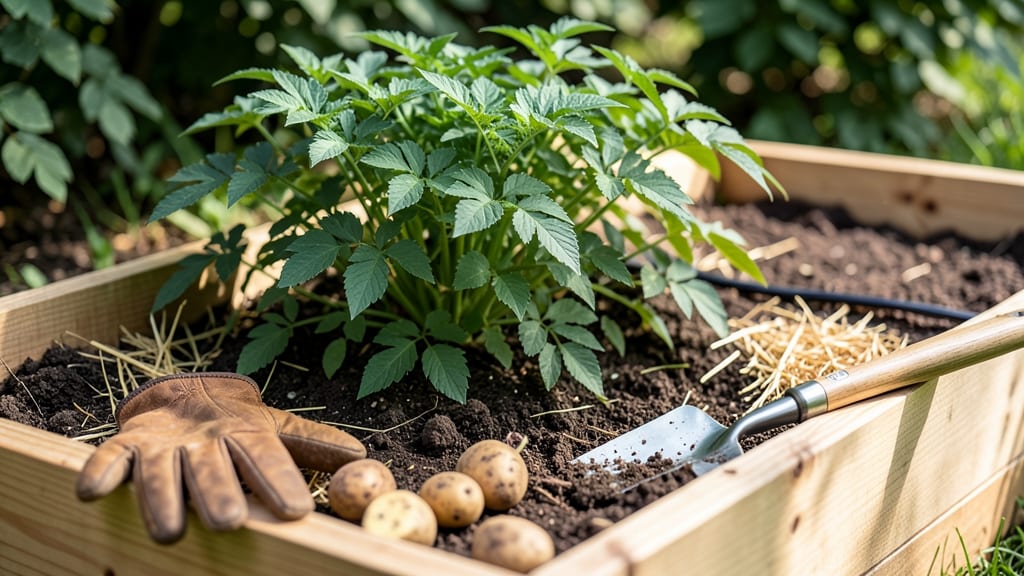
If you've ever watched your potato plants wilt under late spring frost or struggled with stunted growth, you're not alone—Zone 5 gardeners face a unique challenge when planting potatoes.
The key isn't just waiting for the calendar to say "spring," but understanding the hidden triggers in your soil that signal it's finally time to plant.
Most gardeners know potatoes thrive in cooler weather, but did you know the magic happens when soil temperatures hit 40°F to 50°F? That's the sweet spot where roots can establish without the risk of frost damage.
I'll show you exactly how to read your soil's temperature cues and avoid the most common mistakes that sabotage early plantings.
Whether you're working with seed potatoes or sprouted tubers, timing makes all the difference. We'll cover the best varieties for Zone 5, when to start chitting your potatoes indoors, and how to extend your growing season with simple techniques. No more guessing—just science-backed strategies for a bumper harvest.
Ready to transform your potato patch from hit-or-miss to consistently successful? Let's dive into the exact soil temperature triggers and planting windows that will give you confidence every spring. Your future harvest is waiting!
Zone 5 potato planting timeline: exact soil temperature triggers for success
In Zone 5, potatoes thrive when planted at the right soil temperature, not just the right calendar date. Unlike warmer zones, Zone 5's unpredictable spring frost means your potato planting window hinges on soil warmth—not just air temperature.
Aim for 40°F to 50°F soil temps, which typically aligns with late April to early May, but this varies by sub-zone (5a vs. 5b) and microclimate.
Cold soil stunts root growth, while waiting too long risks late blight and reduced yields. The key is using a soil thermometer to confirm readiness—never guess!
Northern Zone 5 (5a) may need to wait until May 15-30, while southern Zone 5 (5b) can start as early as April 20-30, depending on frost history.
Here’s the golden rule: Plant when your soil hits 45°F consistently for 5+ days. This ensures roots establish before summer heat arrives. For early varieties, you can push the envelope slightly (40°F), but late-blight-prone varieties need warmer soil (50°F+) to avoid disease.
| Factor | Zone 5a (Northern) | Zone 5b (Southern) |
|---|---|---|
| Ideal Soil Temp | 45°F–50°F | 40°F–45°F |
| Planting Window | May 15–30 | April 20–May 15 |
| Frost Risk | High until June 1 | Moderate until May 15 |
| Soil Prep Tip | Add compost 2 weeks early | Use black plastic mulch |
| Best Varieties | Red LaSoda, Kennebec | Yukon Gold, Fingerlings |
Pro tip: If your soil is too cold, use straw mulch (6+ inches) to warm it faster. For sandy soils, plant earlier—they heat up quicker. Conversely, clay soils may need a 2-week delay to avoid waterlogging.
Always test drainage: A simple percolation test (pour water, time drainage) tells you if your soil is ready.
Another trick is planting sprouted seed potatoes in containers indoors 4–6 weeks before your target date. This gives you a head start and lets you transplant once soil warms. Just ensure your containers have drainage holes and use a lightweight potting mix to avoid compacting roots.
For late blight prevention, aim to plant 2–3 weeks before your area’s typical last frost date. Blight thrives in cool, wet conditions, so warmer soil reduces risk. If you’re in a low-lying area, add 1–2 weeks to your planting window—cold air pools overnight, delaying soil warming.
Finally, don’t forget about succession planting. In Zone 5, you can often squeeze in 2 harvests: one in early summer (early varieties) and another in fall (late varieties).
Space your plantings 2–3 weeks apart for a continuous supply. Just monitor soil temps closely—each batch needs its own 45°F+ trigger.
Remember, soil temperature is your best friend here. Skip the guesswork: Invest in a $10 soil thermometer and plant when it reads 45°F at 4" depth. Your potato harvest will thank you with bigger, healthier tubers and fewer surprises.
🌱
Zone 5 potato planting timeline: exact soil temperature triggers for success
Timing your potato planting in Zone 5 hinges on soil temperature, not just calendar dates. Unlike warmer zones, Zone 5’s late frosts (often until May 15) demand precision—plant too early, and your tubers rot; too late, and you sacrifice yield.
The magic window opens when soil hits 40°F–50°F, signaling the ground is workable and frost risks recede.
A soil thermometer is your best tool—stick it 4–6 inches deep (where roots grow) and wait for consistent readings in that range. In Zone 5a (colder sub-zone), aim for late April to early May; Zone 5b (warmer) can start as early as mid-April.
Pro tip: Plant seed potatoes (not sprouted tubers) 4–6 weeks before your last frost date for early varieties.
| Zone 5 Sub-Zone | Ideal Planting Window | Soil Temp Trigger | Last Frost Risk |
|---|---|---|---|
| Zone 5a (colder) | Late April–Early May | 45°F–50°F | High (May 15+) |
| Zone 5b (warmer) | Mid-April–Late April | 40°F–45°F | Moderate (May 1) |
| Regional Note | Adjust 1–2 weeks earlier in southern Zone 5 (e.g., Chicago vs. Pittsburgh). | Use a soil thermometer for precision. | Extend season with row covers if frost lingers. |
Regional variations matter—even within Zone 5. For example, Chicago’s last frost often hits May 15, while Pittsburgh’s can be two weeks earlier. Check your local USDA frost map and plant early varieties (like ‘Early Red’) first to hedge bets.
If frost threatens after planting, use lightweight row covers to protect tender sprouts.
Don’t rely solely on dates—soil temperature is the real predictor. Cold, wet soil slows germination, leading to blight-prone plants. Test your soil’s readiness by pressing your finger into it; if it crumbles easily, it’s time.
For sandy soils, plant slightly earlier (they warm faster), while clay soils may need a 1–2 week delay to dry out.
Once planted, mulch heavily with straw to maintain even soil temps and suppress weeds. Monitor for Colorado potato beetles—they thrive in Zone 5’s warm summers. A neem oil spray applied at flowering can prevent infestations without harming your crop.
🌱 Remember: The earlier you plant, the sooner you harvest—but only if the soil cooperates. Balance patience with opportunity: late April is ideal for Zone 5b, while Zone 5a gardeners should wait until mid-May for safety.