
Watering
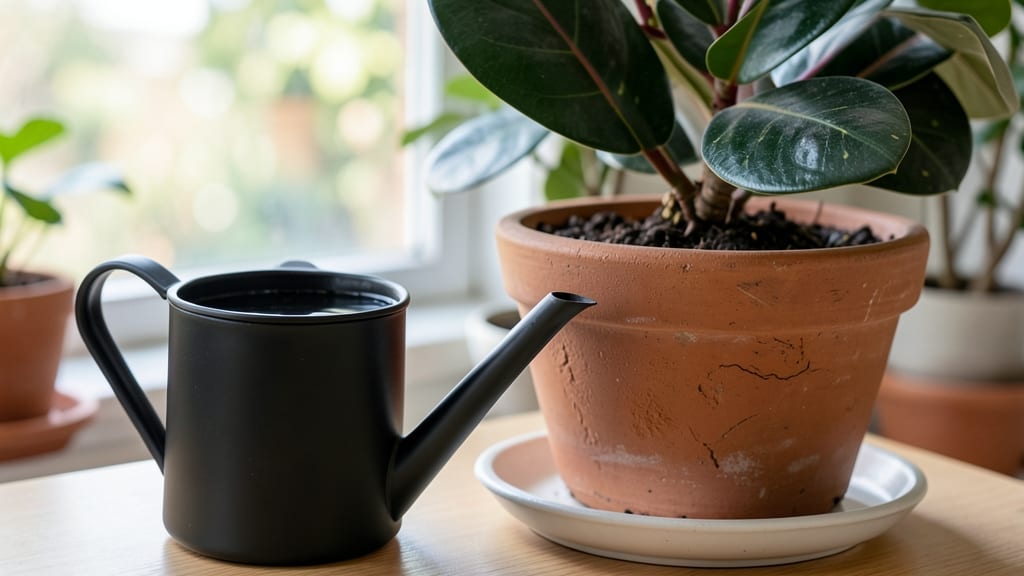
Figuring out how much water a rubber plant needs can feel like solving a mystery—one day your 🌿 looks perky, the next it’s drooping or sporting sad yellow leaves. The truth? Most gardeners overdo it, drowning their plants’ roots without realizing it.
But here’s the good news: with just your finger and a little patience, you can master the perfect watering rhythm for your Ficus elastica.
Rubber plants are tougher than they look, but they hate soggy soil more than they hate thirst. The key isn’t sticking to a rigid schedule—it’s checking the soil first. Stick your finger about an inch deep; if it feels dry, it’s time to water.
If it’s still damp, wait another week. This simple trick saves your plant from both root rot and wilting faster than any calendar ever could.
What you’re about to discover isn’t just about frequency—it’s about reading your plant’s signals. We’ll cover how pot size, humidity, and even your home’s temperature play a role in adjusting your watering game. No more guesswork, no more dead leaves—just a thriving rubber plant that actually stays happy year-round.
Let’s cut through the confusion and get your rubber plant the care it deserves. By the end, you’ll know exactly when to reach for that watering can—and when to leave it alone. Trust me, your plant will thank you.

How often to water rubber plants based on soil dryness
Rubber plants (Ficus elastica) thrive when their soil stays consistently moist but never soggy. The key? A simple soil-touch test—stick your finger 1-2 inches deep into the soil.
If it feels dry, it's time to water. This method eliminates guesswork and prevents the most common killer of rubber plants: root rot from overwatering.
Most gardeners water their rubber plants on a fixed schedule, but this approach fails to account for variables like seasonal changes, pot size, or humidity levels. Instead, focus on the soil's moisture level.
A mature rubber plant typically needs water every 1-2 weeks during spring and summer, but this can stretch to every 3-4 weeks in winter when growth slows.
Your rubber plant's water needs shift dramatically based on its environment. For example, a plant in a small terracotta pot may need watering every 5-7 days in summer, while the same plant in a large ceramic container might only require water every 2-3 weeks.
Always check the soil first—don't rely on memory or calendar reminders.
🌱
| Season | Watering Frequency | Soil Dryness Test | Watering Time |
|---|---|---|---|
| Spring | Every 7-10 days | Top 1-2 inches dry | Morning (8-10 AM) |
| Summer | Every 5-7 days | Top 1 inch dry | Morning or evening |
| Fall | Every 10-14 days | Top 2 inches dry | Morning |
| Winter | Every 3-4 weeks | Top 3 inches dry | Morning (reduce by 50%) |
When watering your rubber plant, always use the deep-watering method. Pour water slowly until it drains from the bottom of the pot—this ensures the entire root system gets hydrated, not just the top layer.
Empty the saucer after 10-15 minutes to prevent root rot caused by sitting water. This method mimics natural rainfall and encourages stronger root growth.
Watch for visual cues that indicate your watering routine needs adjustment. Yellowing leaves often signal overwatering, while dry, crispy leaf edges suggest underwatering. Another telltale sign? Check the leaf stems—if they feel soft or mushy, you're overwatering.
If they're brittle and shriveled, it's time to hydrate. These signs help you fine-tune your watering schedule without relying on a rigid calendar.
Humidity plays a surprising role in your rubber plant's water needs. In dry indoor environments (common in homes with forced-air heating), the soil dries out faster. Increase humidity by placing the pot on a pebble tray with water or grouping plants together.
This can reduce your watering frequency by 20-30% because the plant retains moisture longer. Just avoid misting the leaves—this can lead to fungal issues.
One of the biggest myths about rubber plants is that they're drought-tolerant. While they can survive brief dry spells, prolonged underwatering causes leaf drop and stunted growth. The goal is to maintain 30-50% soil moisture—never let the soil become completely bone-dry.
If you're unsure, use a moisture meter for the first few waterings to get a feel for the ideal moisture level.
For gardeners in hot climates, rubber plants may need watering twice weekly in peak summer. If you notice the soil drying out faster than usual, move the plant to a shadier spot to reduce evaporation.
Conversely, in cooler months, reduce watering by half since the plant's growth slows dramatically. Always adjust based on the soil's actual condition rather than following a fixed schedule.
💧
How often to water rubber plants based on soil dryness
Your rubber plant (Ficus elastica) thrives on a consistent moisture schedule, but guessing leads to soggy soil or thirsty leaves. The key? A soil-touch test—stick your finger 1-2 inches deep into the soil.
If it feels dry to the touch, it's time to water. If damp, wait 3-5 more days. This method works year-round but adjusts with seasonal changes.
In spring and summer, rubber plants drink more as they grow actively. Water every 7-10 days during these months, but check soil moisture first. Overwatering in heat causes root rot, while underwatering leads to crispy leaf edges. Balance is everything—like my first garden journal taught me!
During fall and winter, growth slows, so reduce watering to every 2-4 weeks. The plant enters dormancy, and soggy soil becomes deadly. Place your pot on a drip tray to catch excess water, ensuring roots stay aerated and healthy.
| Season | Water Frequency | Soil Test | Signs of Stress |
|---|---|---|---|
| Spring | Every 7-10 days | Top 1-2" dry | Yellow leaves (overwatered) or drooping (underwatered) |
| Summer | Every 5-7 days (heatwave: daily check) | Top 1" dry | Brown leaf tips (underwatered) or mushy stems (overwatered) |
| Fall | Every 2-3 weeks | Top 2-3" dry | Slow growth or leaf drop |
| Winter | Every 4-6 weeks | Top 3-4" dry | Wilting or moldy soil |
Pot size matters! A smaller container dries out faster, so water every 5-7 days in pots under 6 inches wide. Larger pots (8+ inches) hold moisture longer—check soil every 10-14 days. Pro tip: Use your finger to test multiple spots in the pot for accuracy.
Humidity plays a role too. If your home feels dry (below 40%), water slightly more often—rubber plants love 40-60% humidity. Group plants together or use a pebble tray to boost moisture. In low-light conditions, reduce water by 20% since growth slows.
Remember, yellow leaves often mean overwatering, while crispy edges signal thirst. Adjust your schedule based on your plant’s unique environment. With this method, your rubber plant will stay lush and happy—just like the one I’ve had thriving for 5 years! 🌿