
How To
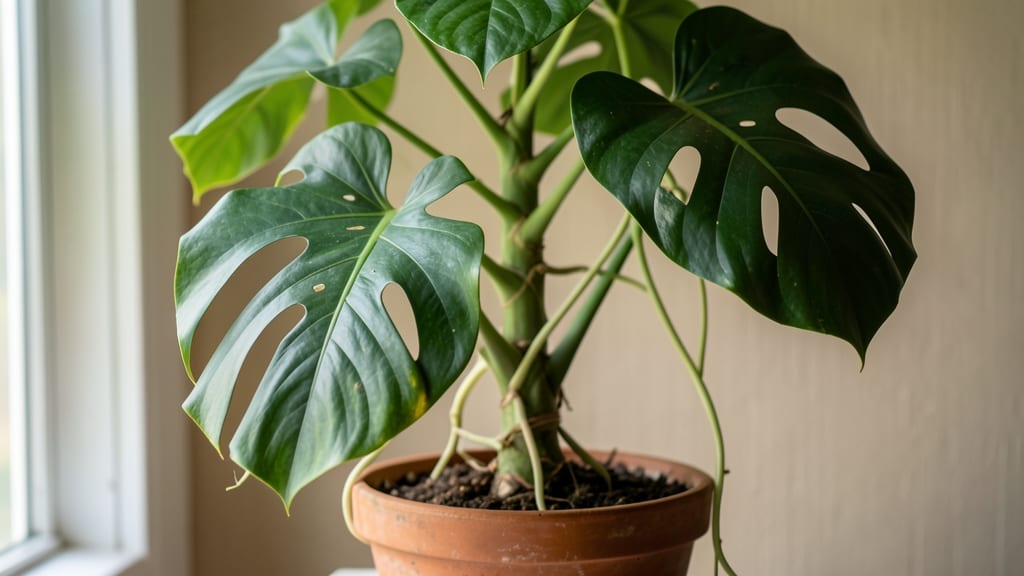
If your Monstera plant needs how much light to thrive—droopy leaves, sparse growth, or yellowing spots—you’re probably dealing with the wrong kind of light. The truth? Monsteras thrive in bright indirect sunlight, but too much direct sun or too little light can send them into a downward spiral.
I’ve seen this struggle firsthand, and the fix is simpler than you think. Whether you’re dealing with a leggy plant reaching for the sky or crispy brown edges from harsh rays, understanding the ideal light conditions is the key to unlocking lush, vibrant growth.
Let’s break down exactly how much light your Monstera needs—and where to place it for success.
Most people assume Monsteras love direct sunlight, but that’s a common misconception. In reality, these tropical beauties prefer filtered light, like what you’d find near an east-facing window. Too little light?
Your plant will stretch and weaken. Too much? Watch for sunburnt patches. I’ll show you how to strike the perfect balance, whether you’re working with a sunny living room or a dim corner.
Ready to transform your Monstera from struggling to stunning? By the end of this guide, you’ll know exactly where to position it, how to spot light issues early, and even how to supplement natural light if your home falls short. Let’s get your plant the glow it deserves!

Monstera light requirements: bright indirect sunlight explained
Your Monstera plant thrives under bright indirect sunlight, mimicking its natural habitat in the rainforest canopy. This means it needs filtered light—like sunlight diffused through a sheer curtain—rather than harsh direct rays.
Too little light causes leggy growth and pale leaves, while too much leads to brown patches or crispy edges. Understanding this balance is key to keeping your plant lush and healthy.
Monsteras are tropical plants, evolved to grow under the dappled shade of larger trees. In the wild, they receive 6-8 hours of bright, filtered light daily. Recreating this environment indoors ensures your plant develops bold fenestrations (those iconic split leaves) and grows vigorously.
Without enough light, your Monstera may struggle to develop these signature features, leaving you with a plant that looks more like a sad vine than a stunning tropical beauty.
Here’s how to visualize bright indirect light: Imagine standing near an east-facing window on a cloudy day. The light should feel soft yet bright enough to read by—this is the ideal intensity for your Monstera.
South-facing windows can work, but you’ll need to filter the light with a sheer curtain or place the plant 3-5 feet away to avoid direct sunburn.
West-facing windows are trickier because afternoon sun can be intense. If you place your Monstera here, monitor it closely for yellowing leaves or brown spots, which signal sunburn.
North-facing windows provide the gentlest light but may not be bright enough for long-term health, especially in low-light homes. In such cases, supplemental grow lights become essential.
| Light Condition | Description | Effects on Monstera |
|---|---|---|
| Bright Indirect Light | East/west-facing windows with sheer curtains; 2-3 feet from glass | Healthy growth, dark green leaves, fenestrations develop |
| Low Light | North-facing windows or dim corners; <1,000 foot-candles | Leggy growth, pale leaves, no fenestrations, slow growth |
| Direct Sunlight | South/west-facing windows without filters; >3,000 foot-candles | Brown patches, crispy edges, yellowing leaves, sunburn |
| Artificial Grow Lights | LED grow bulbs, 12-14 hours/day, 6-12 inches away | Balanced growth, prevents stretching, ideal for low-light spaces |
One common misconception is that Monsteras can thrive in deep shade, like a bathroom or hallway. While they’re more forgiving than many tropical plants, low light stunts their growth and prevents them from developing their signature fenestrations.
If your Monstera isn’t getting enough light, you’ll notice small, close-together leaves that lack the dramatic splits of a mature plant. This is your plant’s way of saying, “I need more light to reach my full potential!”
To test your home’s light conditions, use a light meter (or a free app like Light Meter) to measure foot-candles near your plant. Ideal levels for Monsteras range between 1,000-2,500 foot-candles during daylight hours. If you’re below 1,000, it’s time to relocate or supplement with grow lights.
Pro tip: Rotate your plant every few weeks so all sides get even light exposure—this prevents one-sided growth and keeps your Monstera looking balanced and full.
Outdoor Monsteras also need adjustment when transitioning between indoor and outdoor spaces. If you move your plant outside during spring or summer, start with morning sun only (before 10 AM) to avoid shocking the leaves. Gradually increase exposure over 1-2 weeks to harden it off.
Conversely, when bringing it back indoors in fall, place it in a bright, indirect spot for a few days to prevent sunburn from the sudden change.
Remember, Monsteras are opportunistic growers—they’ll adapt to whatever light you provide, but they won’t thrive in extreme conditions. A slightly leggy plant is a sign it’s stretching for more light, while dark spots or curled leaves mean it’s getting too much.
By paying attention to these visual cues, you’ll learn to fine-tune your plant’s environment like a pro.
🌿
Monstera light requirements: bright indirect sunlight explained
Monsteras thrive in bright indirect light, making them perfect for homes with filtered sunlight. Too little light causes yellow leaves and slow growth, while too much direct sun scorches their delicate foliage. The key is mimicking their natural understory habitat—think dappled sunlight through tree canopies.
In nature, Monsteras grow under tropical forest canopies where sunlight is gentle but abundant. Replicating this at home means placing your plant near east-facing windows or a few feet back from south-facing windows. This balance ensures vibrant green leaves and those coveted fenestrations (the iconic splits in leaves).
| Light Condition | Ideal Hours/Day | Leaf Response |
|---|---|---|
| Bright Indirect | 6-8 hours | Dark green, glossy, fenestrations |
| Low Light | <4 hours | Pale, small leaves, no splits |
| Direct Sun | >3 hours | Brown spots, crispy edges |
If your Monstera’s leaves are dark green but lack fenestrations, it’s likely getting too little light. Move it closer to a window or supplement with a grow light for 12-14 hours daily.
For yellow or brown patches, it’s receiving too much direct sun—relocate it to a shaded spot or add a sheer curtain to diffuse harsh rays.
Pro tip: Rotate your plant quarter-turn weekly to ensure even growth. Monsteras naturally grow toward light sources, so this prevents lopsided foliage. Place it 2-3 feet from an east window for optimal morning light without afternoon intensity.
For outdoor Monsteras, provide afternoon shade during summer months. A 50% shade cloth works wonders in preventing sunburn while still allowing plenty of filtered light. Even in low-light conditions, Monsteras survive—but they’ll reward you with faster growth and larger leaves when given their preferred bright indirect light.
Remember, Monsteras are flexible but not forgiving. Gradually adjust light exposure over 1-2 weeks to avoid shocking the plant. Sudden changes can cause leaf drop, so patience is key for long-term success. 🌿