
How To
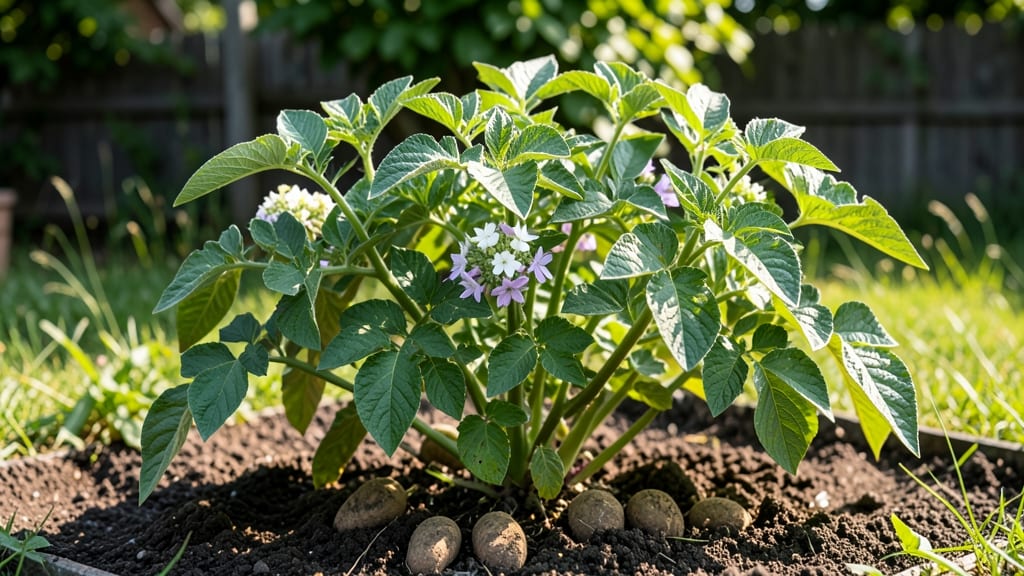
Ever stared at your garden and wondered just how tall your 🥔 potato plants should grow?
The answer isn’t as simple as you’d think—some varieties barely crack the knee-high mark, while others stretch nearly to your waist, and that height makes all the difference in how you plant, space, and care for them.
If you’ve ever struggled with overcrowded plants or wondered why your harvest seems inconsistent, understanding your potato’s growth habit is the key. Whether you’re working with compact fingerlings or towering russets, knowing the right height helps you plan spacing, staking, and even when to harvest for the best yield.
Let’s break down exactly what to expect from your potato plants—from the shortest varieties that stay close to the ground to the tallest that might need support.
You’ll also discover how growth stages tie to height and what you can do to keep your plants thriving (or trim them back if they get too ambitious).
Ready to turn guesswork into a foolproof plan? Here’s everything you need to know about potato plant height, variety by variety, so you can grow like a pro—no matter how tall (or short) your 🥔 friends end up.


Potato plant height by variety: from dwarf to giant varieties
Potato plants may look simple, but their height varies dramatically depending on the variety. Most gardeners expect their potato plants to reach 1-3 feet tall, but some varieties stay as short as 8 inches, while others can stretch toward 36 inches or more.
This variation isn’t just about looks—it directly affects how you space, stake, and even harvest your potatoes.
Understanding these differences helps you choose the right varieties for your garden layout. For example, fingerling potatoes often stay compact, making them perfect for containers or small spaces, while russet varieties can grow tall and sprawling, requiring more room to thrive.
Let’s break down the height ranges so you can plan your garden like a pro.
🥔 Potato Varieties by Height
| Variety | Height Range | Best For |
|---|---|---|
| Yukon Gold | 8–12 inches | Containers, small gardens |
| Red LaSoda | 12–18 inches | Bush gardens, raised beds |
| Fingerling (e.g., 'French Finger') | 12–24 inches | Vertical gardens, trellises |
| Russet Burbank | 24–36 inches | Large gardens, staking |
| Purple Majesty | 30–36 inches | Sprawling beds, trellises |
The Yukon Gold and Red LaSoda varieties are ideal if you’re working with limited space. Their compact growth makes them perfect for containers or raised beds, where you can place them just 12 inches apart.
On the other hand, varieties like Russet Burbank or Purple Majesty need more elbow room—plant them 18–24 inches apart to prevent overcrowding and disease.
If you’re growing potatoes in containers, stick to dwarf or semi-dwarf varieties. A 5-gallon bucket can comfortably hold a Yukon Gold plant, but a Russet Burbank would quickly outgrow it.
For container gardening, also consider fingerling potatoes, which thrive in vertical spaces and can be trained to grow upward with a simple trellis.
Taller varieties like Purple Majesty often produce stunning purple tubers, but their height means they’re more susceptible to wind damage or lodging. To support them, use stakes or cages early in the season.
Even if you’re not worried about aesthetics, staking helps improve air circulation, reducing the risk of blight and other fungal diseases.
Another factor to consider is how height affects harvesting ease. Shorter varieties are easier to dig up, especially if you’re harvesting new potatoes early in the season. Taller plants may require more careful digging to avoid damaging the tubers below the surface.
Always harvest when the foliage starts to yellow and die back, regardless of variety.
Pro tip: If you’re growing multiple varieties in the same garden, plant the tallest varieties first, followed by medium-height, and finally the dwarf varieties toward the edges. This creates a natural windbreak and makes the most of your garden’s layout.
Just be sure to keep track of which variety is which—mixing them up can lead to confusion at harvest time!
Finally, remember that height isn’t the only factor in choosing a variety. Some shorter plants produce fewer tubers, while taller ones might yield larger potatoes. Balance your choices based on your garden goals, whether that’s maximizing yield, saving space, or simply enjoying the diversity of potato flavors and colors.
How potato plant height changes through growth stages
Potato plants don’t grow at a steady rate—their height shifts dramatically as they progress through four key stages. Understanding these phases helps you predict harvest times and adjust care routines. Most varieties start small but can double or triple in height by maturity.
In the sprouting stage, seedlings emerge 1-3 inches tall within 2-3 weeks after planting. This is when they’re most vulnerable to frost or dehydration. During this phase, their height increases by about ½ inch per week if conditions are ideal.
🌱
Height: 1-3 inches
Duration: 2-3 weeks
Key Action: Keep soil moist (avoid waterlogging)
Height: 6-12 inches
Duration: 4-6 weeks
Key Action: Add mulch to prevent greening
Height: 12-24 inches
Duration: 2-3 weeks
Key Action: Monitor pests (aphids, beetles)
Height: 18-36 inches
Duration: 4-6 weeks
Key Action: Reduce watering before harvest
The vegetative growth phase is where plants really take off, reaching 6-12 inches in just 4-6 weeks. This is when you’ll notice rapid leaf expansion and the first signs of tuber formation underground. If your plants seem leggy here, consider side-dressing with compost to encourage bushier growth.
During flowering (2-3 weeks later), most varieties hit their peak height of 12-24 inches. This stage is critical because it signals that tubers are actively growing. Don’t remove flowers—they’re not just decorative; they help set tubers.
Some varieties, like Purple Majesty, may even reach 3 feet tall by this point.
Finally, in the tuber maturity phase, plants can stretch to 18-36 inches depending on the variety. Their foliage may yellow or die back, but this is normal! The height slows dramatically as energy shifts underground.
For new potatoes, you can harvest when tops are 6 inches tall, but full-size tubers need the full growth cycle.
🌿