Plants
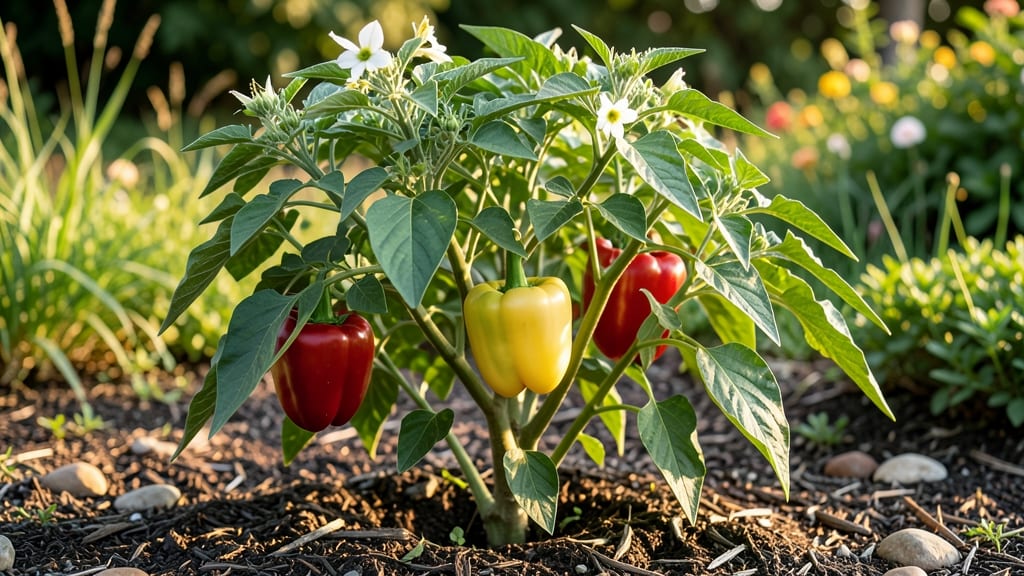
If you're planning your garden this spring, knowing how tall pepper plants grow could mean the difference between a thriving harvest and crowded, struggling 🌶️ plants. Some varieties stay compact at just 1-2 feet, while others can stretch toward the sky, reaching heights of 3-4 feet or more.
This height variation isn't random—it's tied to the pepper's growth habit, whether it's a bushy bell pepper or a sprawling jalapeño vine. Getting the spacing right from the start prevents competition for sunlight and nutrients, which directly impacts your yield and plant health.
Whether you're a beginner gardener or a seasoned pro, understanding these height differences helps you decide between containers, raised beds, or in-ground planting. I'll walk you through the exact spacing and support needs for each type so you can give your peppers the perfect growing conditions.
Let's dive into the specifics so you can plan your garden layout with confidence—no more guessing games about how much space your 🌶️ friends really need!


Pepper plant height by variety: compact vs. tall growing habits
Pepper plants come in stunning diversity, not just in flavor and color but also in height. Some varieties stay compact and manageable, while others can reach towering heights if left unchecked.
Understanding these differences helps you plan your garden layout, choose containers, and even decide whether to use trellises or stakes for support.
For example, bell peppers typically stay between 2 to 3 feet tall, making them perfect for small gardens or containers. On the other hand, habanero peppers can stretch up to 4 feet or more if allowed to vine freely.
Knowing these specifics ensures you allocate the right space and avoid overcrowding, which can lead to disease and poor yields.
Below, I’ve broken down the height ranges for 15+ popular pepper varieties, including their growth habits (bush vs. vine) and mature sizes. This will help you visualize how much room each plant needs and whether it’s better suited for ground planting or vertical growing.
| Variety | Growth Habit | Mature Height | Notes |
|---|---|---|---|
| Bell Pepper | Bush | 2-3 ft | Compact, ideal for containers |
| Jalapeño | Bush or Vine | 2-4 ft | Vining types need support |
| Habanero | Vine | 3-5 ft | Aggressive viner; prune for control |
| Banana Pepper | Bush | 1.5-2.5 ft | Dwarf variety; great for small spaces |
| Cayenne | Vine | 3-4 ft | Produces long, prolific vines |
| Anaheim | Bush or Vine | 2-3.5 ft | Versatile; good for green chiles |
| Poblano | Bush | 2-3 ft | Compact; great for stuffing peppers |
| Serrano | Vine | 2.5-4 ft | Hot and prolific; needs space |
| Pepperoncini | Bush | 1.5-2.5 ft | Dwarf; perfect for pickling |
If you’re growing vine-type peppers like habaneros or cayennes, you’ll notice they can spread widely if not controlled. These varieties often produce more fruit when given vertical support, like trellises or cages, which also makes harvesting easier.
In contrast, bush varieties like bell peppers and bananas stay shorter and stockier, making them ideal for small gardens or container growing.
Another key
Optimal spacing for pepper plants: preventing competition & disease
Proper spacing is the secret to healthy, high-yielding pepper plants. Crowding stresses plants, inviting disease and pests while reducing air flow and sunlight access. Even compact varieties need room to thrive—think of it as giving each plant its own personal bubble for optimal growth.
Most pepper plants reach their mature height between 2-4 feet, but spacing depends on the variety. Bush types like bell peppers need 18-24 inches between plants, while vining varieties (such as banana peppers) may require 24-36 inches.
In containers, aim for one plant per 5-gallon pot to prevent root competition.
🌱
| Variety Type | Spacing (Inches) | Notes |
|---|---|---|
| Bell Peppers (Bush) | 18-24" | Compact, needs airflow |
| Jalapeños (Bush) | 18-24" | Prune for bushier growth |
| Banana Peppers (Vining) | 24-36" | Use trellis for vertical growth |
| Habaneros (Bush) | 18-24" | Heat-loving, needs airflow |
| Containers (All Varieties) | 5-gallon pot per plant | Dwarf varieties work best |
Sunlight is another critical factor in spacing. Pepper plants crave 6+ hours of direct sun, so avoid planting them in the shade of taller crops like tomatoes or corn. If your garden is shaded, opt for dwarf varieties or use reflective surfaces (like white walls) to maximize light exposure.
Air circulation is equally important, especially in humid climates. Poor airflow traps moisture, creating the perfect conditions for fungal diseases like powdery mildew. Space plants to allow 3-4 feet of clearance between rows, and avoid planting them too close to fences or dense shrubs.
For container gardeners, pot size matters. A 5-gallon pot provides enough room for one pepper plant to grow without root binding, but larger pots (10+ gallons) can accommodate two smaller varieties like shishito peppers. Always include drainage holes to prevent waterlogging, which can stunt growth or kill roots.
🌿