
Plants
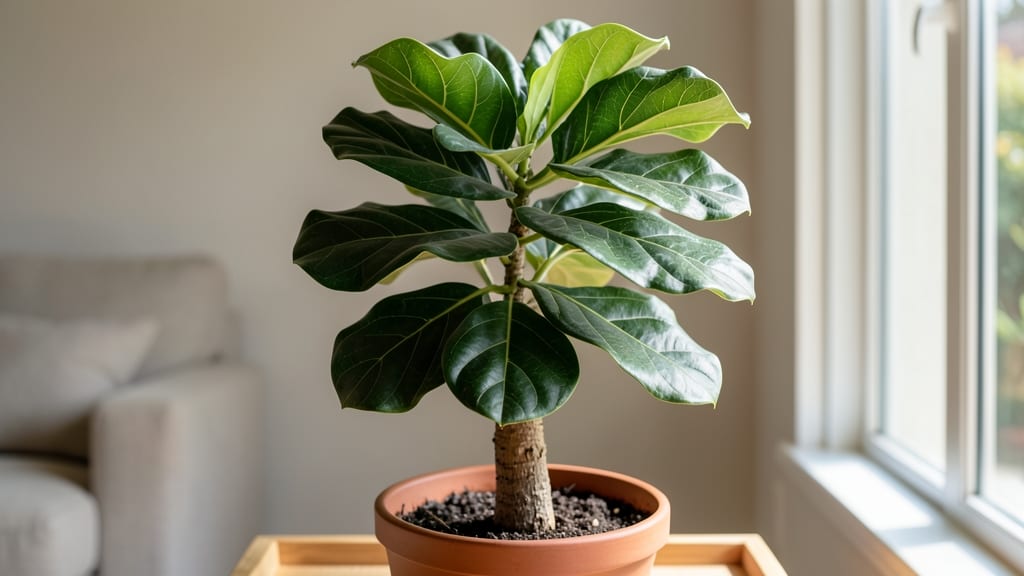
If your 🌿 Ficus plant is struggling with yellowing leaves or slow growth, the answer might be simpler than you think—how much light does a ficus plant need is the key to keeping it thriving indoors, especially in USDA Zone 6a where seasonal light shifts can be dramatic.
Most Ficus varieties, like the popular rubber plant (Ficus elastica) or weeping fig (Ficus benjamina), crave moderate to bright indirect light—think of it as a gentle morning sun rather than harsh afternoon rays.
Too little light leaves your plant looking sad and leggy, while too much can scorch those beautiful leaves faster than you can say "pruning time."
Don't worry if your home doesn't have ideal natural light—we'll show you how to create the perfect conditions, whether that means adjusting your plant's position, using sheer curtains, or even supplementing with grow lights. With the right setup, your Ficus will reward you with lush, healthy growth all year long.
Ready to transform your struggling plant into a vibrant centerpiece? Let's dive into the exact light requirements your Ficus needs to flourish, plus how to spot when it's getting too much or too little of the good stuff.


Ideal light requirements for ficus plants: bright indirect light explained
Ficus plants thrive in bright indirect light, making them perfect for indoor spaces with filtered sunlight. Unlike sun-loving succulents, ficus varieties like Ficus elastica (rubber plant) and Ficus benjamina (weeping fig) despise harsh direct rays, which can scorch leaves.
The key is mimicking their natural understory habitat—think dappled sunlight through tree canopies.
For optimal growth, position your ficus near an east-facing window, where morning sun is gentle. A north-facing window also works well, offering consistent but diffused light. South-facing windows can work, but place your plant 3-5 feet away to avoid intense afternoon sun.
Even a west-facing window is manageable if you use a sheer curtain to filter the light.
🌿 Pro Tip: Rotate your ficus plant every 2-4 weeks to ensure even growth. Plants naturally lean toward light sources, so turning them helps maintain a balanced shape.
| Light Type | Ideal Conditions | Best For |
|---|---|---|
| Bright Indirect | East/north windows, 2-3 ft away | Ficus elastica, Ficus benjamina |
| Low Light | North-facing windows, artificial grow lights | Ficus lyrata (fiddle-leaf), slow growers |
| Direct Sun | Avoid; use sheer curtains if unavoidable | None—risk of leaf burn |
If your home lacks natural light, grow lights are a game-changer. A full-spectrum LED grow light placed 6-12 inches above your ficus for 12-14 hours daily mimics sunlight perfectly. Brands like Sylvania Grow Lux or GE Agriculture are budget-friendly and effective.
For variety, Ficus lyrata (fiddle-leaf fig) tolerates slightly lower light than Ficus elastica, but all ficus plants will eventually show signs if deprived.
Seasonal adjustments are crucial. In summer, when sunlight is intense, move your ficus further from windows or add a white sheer curtain to diffuse the light. In winter, when days are shorter, supplement with a timed grow light to maintain its light cycle.
Even a few extra hours can prevent leggy growth or leaf drop.
💡 Light Meter Hack: Use a free smartphone light meter app (like "Light Meter") to check your space. Aim for 1,000-3,000 lux—the sweet spot for ficus plants. Most homes naturally hit this range near north-facing windows.
Watch for leaf color changes to gauge light success. Dark green, glossy leaves mean your ficus is happy. Pale or yellowing leaves? It’s begging for more light. Brown patches or crispy edges?
It’s getting too much direct sun. Adjusting placement is often as simple as moving your plant a few feet closer or further from the window.
For outdoor ficus plants (like Ficus microcarpa), partial shade is ideal. Plant them where they’ll receive morning sun and afternoon shade, such as under a patio cover or near a building’s north side.
Mulch the soil to retain moisture, as outdoor ficus plants are more susceptible to drought stress in bright conditions.
🌳 Final Tip: If you’re unsure about your space’s light levels, start with a low-light ficus variety like Ficus pumila (creeping fig). It’s forgiving and will help you test your home’s conditions before investing in pricier varieties.
Ideal light requirements for ficus plants: bright indirect light explained
Ficus plants thrive under bright indirect light, making them perfect for most indoor spaces. Too much direct sunlight causes leaf burn, while too little light leads to stretched, weak growth.
The key is finding that sweet spot where your ficus gets 4-6 hours of filtered light daily—think of it like a gentle morning sun through sheer curtains.
Most ficus varieties, like the Ficus elastica (rubber plant) or Ficus benjamina, adapt well to medium to low light but will grow faster and stay healthier with bright indirect exposure.
If your home has limited natural light, don’t worry—we’ll cover artificial lighting solutions later to keep your plant happy.
Here’s how to break down the ideal light conditions for your ficus:
| Light Level | Description | Best For |
|---|---|---|
| Low Light | Fewer than 2 hours of indirect light | Survival mode; slow growth, leggy stems |
| Medium Light | 2-4 hours of bright indirect light | Healthy growth; ideal for most indoor ficus |
| Bright Indirect | 4-6 hours of filtered sunlight | Optimal for vibrant leaves and fast growth |
| Direct Sunlight | More than 6 hours of unfiltered sun | Risk of leaf burn; avoid for most ficus |
For east-facing windows, your ficus will get gentle morning light, which is ideal. North-facing windows provide consistent, soft light all day, while west-facing windows can offer too much harsh afternoon sun—use a sheer curtain to diffuse it.
If your ficus is near a south-facing window, place it 3-4 feet back to avoid direct rays.
Seasonal adjustments matter too! In summer, when sunlight is intense, move your ficus a few feet away from the window or add a light-colored curtain to filter the light.
In winter, when days are shorter, supplement with a grow light for 12-14 hours daily to maintain its energy levels.
Pro tip: Rotate your ficus quarter-turn every 2-3 weeks so all sides get even light exposure. This prevents lopsided growth and keeps your plant looking full and balanced. Even a small adjustment can make a big difference in your ficus’s health!