
Plants
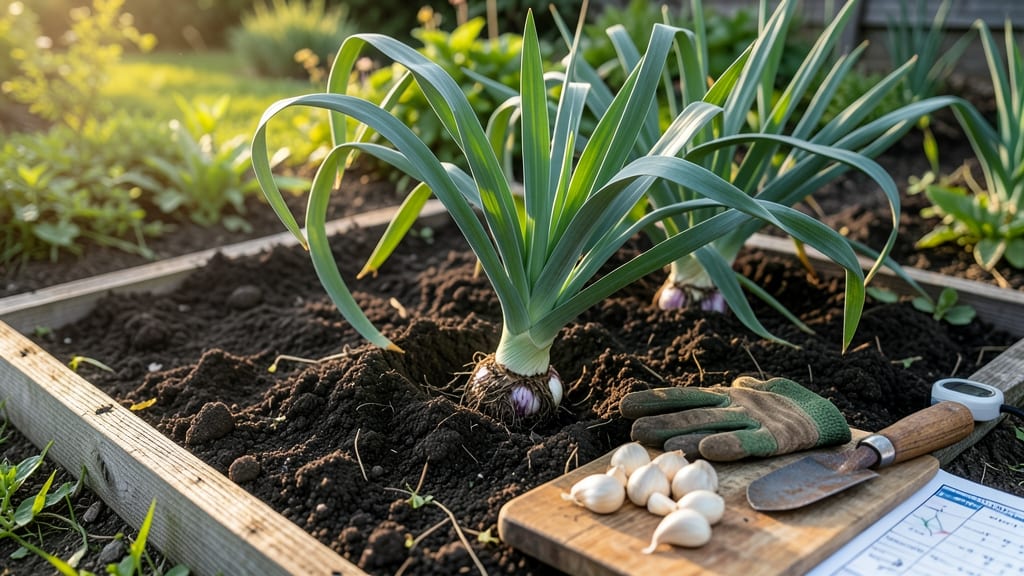
Planting garlic in New Mexico isn’t just about timing—it’s about mastering the high-altitude desert’s quirks, where a single month’s mistake can mean the difference between a bumper crop and a total flop.
Whether you’re in Albuquerque’s 7a zone or Las Cruces’ 8a heat, the wrong move could leave your 🧄 cloves shriveling before they even sprout.
Here’s the truth: New Mexico’s dramatic elevation shifts—from freezing high-desert winters to scorching low-desert springs—demand a customized approach that most gardening guides ignore.
I’ve grown garlic here for years, and I’ll show you exactly when to plant for your specific region, plus how to prep your soil to outsmart the climate.
You’ll discover the ideal planting windows for fall vs. spring, why hardneck varieties dominate in high-altitude areas, and how to spot the 3 critical signs your timing is perfect (or doomed). No more guessing—just proven strategies for garlic that tastes like homegrown heaven.
Let’s dive into the secrets that’ll have your garlic thriving when others are still waiting for their first green shoot. Your future flavor-packed harvest starts with these timing hacks—and they’re easier than you think.
New Mexico garlic planting calendar: high-altitude (5,000+ ft) vs low-desert (3,000-4,000 ft) differences
New Mexico’s elevation extremes create two distinct garlic-growing worlds. In high-altitude zones like Santa Fe or Taos (5,000+ ft), winters are harsher and growing seasons shorter, while low-desert areas such as Las Cruces or Deming (3,000-4,000 ft) enjoy longer, milder winters.
These differences mean your planting window isn’t one-size-fits-all—getting it wrong could mean stunted bulbs or no harvest at all.
For hardneck varieties (like ‘Silverskin’ or ‘Rocky Mountain’), which thrive in colder climates, high-altitude gardeners should plant 6-8 weeks before the first hard frost—typically mid-October to early November.
In contrast, softneck varieties (like ‘Artichoke’ or ‘California Early’) prefer the milder low-desert climate and can be planted as late as December or even early January.
Soil temperature is your secret weapon for timing. Garlic cloves need 40-50°F soil temps to sprout consistently. In high-altitude areas, this happens by mid-October, while low-desert soils may not cool enough until late November.
Use a soil thermometer to confirm—planting too early in warm soils can trigger premature sprouting and weak roots.
Microclimates add another layer. A south-facing slope in Albuquerque (USDA Zone 7a) might warm up faster than a north-facing valley, delaying frost by weeks. Similarly, adobe-walled gardens in traditional Pueblo styles retain heat longer, extending your planting window by 2-3 weeks compared to open fields.
Here’s the critical difference between the two zones:
| Factor | High-Altitude (5,000+ ft) | Low-Desert (3,000-4,000 ft) |
|---|---|---|
| Ideal Planting Window | Mid-October to early November | Late October to December |
| Soil Temp for Planting | 40-50°F (by mid-October) | 40-50°F (by late November) |
| Best Varieties | Hardneck (e.g., ‘German White’, ‘Purple Stripe’) | Softneck (e.g., ‘California Early’, ‘Silverskin’) |
| Frost Risk | High (first frost by late October) | Low (first frost by December) |
| Harvest Window | Late June to early July | Early July to mid-July |
| Microclimate Tip | Plant near adobe walls to delay frost | Use shade cloth in summer to prevent bolting |
Spring planting is riskier in high-altitude zones but works well in low-desert areas. If you opt for spring planting (February-March), prioritize softneck varieties and plant as early as possible to avoid the 300-day minimum growing season requirement.
In Albuquerque, for example, spring-planted garlic may not mature before summer’s 100°F+ heat, leading to bolting (flowering) instead of bulb development.
For hardneck garlic in high-altitude regions, focus on fall planting—it’s your best bet for large, flavorful bulbs. The cold winter vernalization period (a 6-week period below 40°F) is essential for hardneck varieties to form proper bulbs.
Skip this, and you’ll end up with small, pungent cloves instead of the plump, mild bulbs you crave.
Pro tip: Use local seed sources like New Mexico State University’s garlic trials or regional nurseries (e.g., High Desert Gardens in Albuquerque) to find varieties adapted to your microclimate.
Their trials data often reveals hidden winners—like ‘New Mexico #5’, a hardneck variety bred for the state’s high-altitude challenges.
Always check your last frost date using the USDA Plant Hardiness Zone Map or local Cooperative Extension Service. For example, Santa Fe’s Zone 7b has a November 15 last frost, while Las Cruces’ Zone 8a holds off until December
5 Critical signs your New Mexico garlic planting timing is Actually Right (And 3 Mistakes to Avoid)
Timing garlic planting in New Mexico’s variable climates isn’t just about checking a calendar—it’s about reading your soil, plants, and weather like a pro. The right timing ensures your garlic develops bulbs instead of just foliage, while wrong timing can leave you with weak, underdeveloped harvests.
Here’s how to know you’ve nailed it—and what to avoid.
First, your garlic cloves should be planted when soil temperatures drop to 50-60°F (10-15°C). In high-altitude areas like Santa Fe, this usually means late October, while low-desert regions like Las Cruces can wait until November.
Use a soil thermometer to confirm—don’t guess! Cold soil speeds up root growth, giving your garlic a head start before winter dormancy.
🔍 Visual Element: Numbered Highlights 🔍
- 🌡️ Soil temp between 50-60°F (test with a thermometer).
- 🌱 Cloves sprout within 2-3 weeks after planting.
- 🌿 Leaves emerge green and stiff (not yellow or wilted).
- 🌧️ Frost is predictable but not imminent (plant 4-6 weeks before first frost).
- 🌱 No weeds competing yet (early planting beats them to the punch).
Avoid these 3 common mistakes that sabotage garlic growth: Planting too early when soil is still warm (above 60°F) causes cloves to sprout prematurely, making them vulnerable to rot. Planting too late (after November 15 in high-altitude zones) risks stunted bulb development before harvest season. And skipping soil prep—like not adding compost or ensuring drainage—leads to poor root establishment.
Another red flag? If your garlic leaves yellow or flop over soon after planting, you’ve likely planted in wet, poorly drained soil or waited too long after a heavy rain.
Garlic hates soggy feet—amend your soil with sand or grit if drainage is an issue. In contrast, crisp, upright leaves by spring mean your timing was spot-on.
Pro tip: In low-desert areas, watch for early morning frost warnings—garlic can handle light frost, but a hard freeze (below 20°F/-7°C) will damage emerging shoots. If frost is forecast, cover plants with straw mulch (3-4 inches thick) to protect them.
This small step can mean the difference between a bountiful harvest and a failed crop.
Finally, trust your local microclimate. A south-facing slope in Albuquerque might warm up faster than a valley floor, so adjust your planting date accordingly. When in doubt, plant a test row in early October—if the cloves sprout within 3 weeks, you’re golden.
If not, wait another 2 weeks and try again.