
Flowers
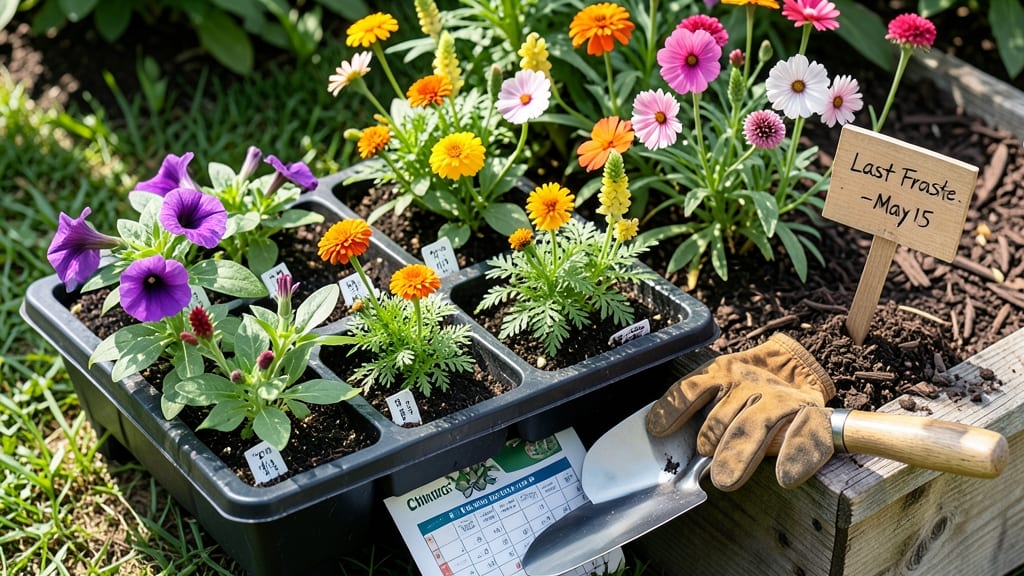
Timing your flowers planting in Chicago isn't just about luck—it's about beating those infamous late frosts that can turn your garden dreams into a sad, 🌸-less memory.
With USDA zones 5b-6a, you've got a narrow window between March and May to get it right, and one wrong move could mean wilting blooms before they even bloom.
I've spent years testing what works in Chicago's unpredictable climate, and the key is knowing exactly when to plant. Whether you're dreaming of vibrant petunias or hardy coneflowers, the last frost date (usually around April 15) is your garden's ultimate deadline.
Miss it, and you'll be playing catch-up all season.
But here's the good news: with the right strategy, you can extend your blooming season well into October.
I'll show you exactly which flowers thrive in Chicago's spring and summer, how to protect them from false springs, and even how to sneak in a few late-season plants before the first frost hits.
Let's cut through the guesswork and give your garden the vibrant, long-lasting blooms it deserves—starting with the perfect planting schedule for your Chicago zone.
Chicago’s frost dates by planting Zone: exact timing for annual and perennial flowers
Chicago’s last average frost date hovers around April 15, but don’t let that number fool you—city microclimates create a two-week window of uncertainty. Urban areas often warm up faster than suburbs, while windy lake-effect zones near Lake Michigan can delay spring by a full week.
Knowing your USDA Zone 5b-6a and local variations is key to avoiding frost-kissed dreams.
For annual flowers like petunias and marigolds, wait until May 1 in most areas—this gives you a 90% safety margin against late frosts. Perennials like coneflowers and black-eyed Susans, however, can handle transplanting as early as April 20 once soil reaches 50°F (10°C).
The trick? Monitor local frost alerts and adjust 7–10 days before your target date.
| Plant Type | Zone 5b (Suburbs) | Zone 6a (City) | Soil Temp | Notes |
|---|---|---|---|---|
| Annuals (Seeds) | May 1–15 | April 25–May 5 | 55°F+ (13°C+) | Start indoors 6–8 weeks prior |
| Annuals (Transplants) | April 20–May 1 | April 10–20 | 50°F+ (10°C+) | Hardier varieties first |
| Perennials | April 15–25 | April 5–15 | 45°F+ (7°C+) | Divide clumps in early spring |
| Bulbs (Tulips/Daffodils) | March 15–April 1 | March 1–15 | 40°F+ (4°C+) | Plant before shoots emerge |
If you’re starting seeds indoors, begin 6–8 weeks before your target outdoor date. For example, petunias need a May 1 planting window, so start them indoors by March 1.
Use grow lights to mimic Chicago’s short spring days, and harden off seedlings for 7–10 days before transplanting to avoid shock.
For cold-hardy perennials like peony or coral bells, early April is ideal—these beauties thrive when planted while still dormant. Divide clumps in early spring to rejuvenate growth, but avoid transplanting if frost is forecasted within 48 hours.
Chicago’s windy conditions can dry out newly planted perennials, so mulch heavily with 3–4 inches of straw to retain moisture.
Don’t overlook fall planting for late-season bloomers! Mums and asters can handle September transplanting as long as soil stays above 45°F (7°C). These flowers establish roots before winter, giving you early spring blooms the following year. Just remember: first frost typically hits October 20, so plan accordingly.
Chicago’s lake-effect microclimates mean northern suburbs (like Waukegan) often experience later frosts than southern areas (like Aurora). Use a local frost calendar from the Chicago Botanic Garden or Midwest Regional Climate Center to fine-tune your timing.
Pro tip: Urban heat islands can push city planting dates 5–7 days earlier than rural areas.
Test your soil temperature with a soil thermometer—50°F (10°C) is the magic number for most flowers. If temps fluctuate, opt for cold-resistant varieties like pansies or snapdragons, which can handle light frosts after establishment.
For extra protection, use row covers or cloche tunnels to extend your planting window by 2–3 weeks.
Best flowers to plant in Chicago by month: a month-by-month survival guide
Chicago’s unpredictable spring weather means your flower choices should match the month’s temperature swings. March is for hardy survivors like pansies and hellebores, while May welcomes heat-lovers like geraniums. Let’s break it down by month so you never plant too early—or too late!
Start with cold-hardy annuals in March (like pansies and snapdragons) when soil temps hit 40°F (4°C). These thrive in cool weather and even handle light frosts. For bulbs like tulips, plant them in late October so they establish roots before winter’s chill.
April is prime time for spring-blooming bulbs (daffodils, hyacinths) and cool-season vegetables like lettuce—but also for transplanting tender annuals (petunias, marigolds) after the last frost date. Wait until soil warms to 50°F (10°C) to avoid stunted growth.
| Month | Best Flowers | Soil Temp | Sun Needs |
|---|---|---|---|
| March | Pansies, Hellebores, Snapdragons | 40°F (4°C) | Full Sun to Partial Shade |
| April | Tulips, Daffodils, Petunias | 50°F (10°C) | Full Sun |
| May | Geraniums, Impatiens, Zinnias | 55°F (13°C) | Partial Shade to Full Sun |
| August-Sept | Mums, Asters, Salvia | 60°F (16°C) | Full Sun |
May is all about heat-loving annuals like geraniums and zinnias, which thrive in Chicago’s summer humidity. For perennials (e.g., coneflowers), divide and transplant in early spring or fall for best results. Avoid planting tender perennials like lavender until after May 15.
Don’t forget late-season bloomers! Plant mums and asters in August for fall color before the first frost. These cold-hardy annuals will reward you with vibrant blooms even as temperatures drop. For fall planting, wait until soil is still warm (above 55°F/13°C) to avoid stunted growth.
Pro tip: Native Chicago flowers like black-eyed Susans and bee balm are low-maintenance and drought-tolerant, perfect for urban gardens with limited water access. These thrive from spring to fall with minimal fuss!