
Plants
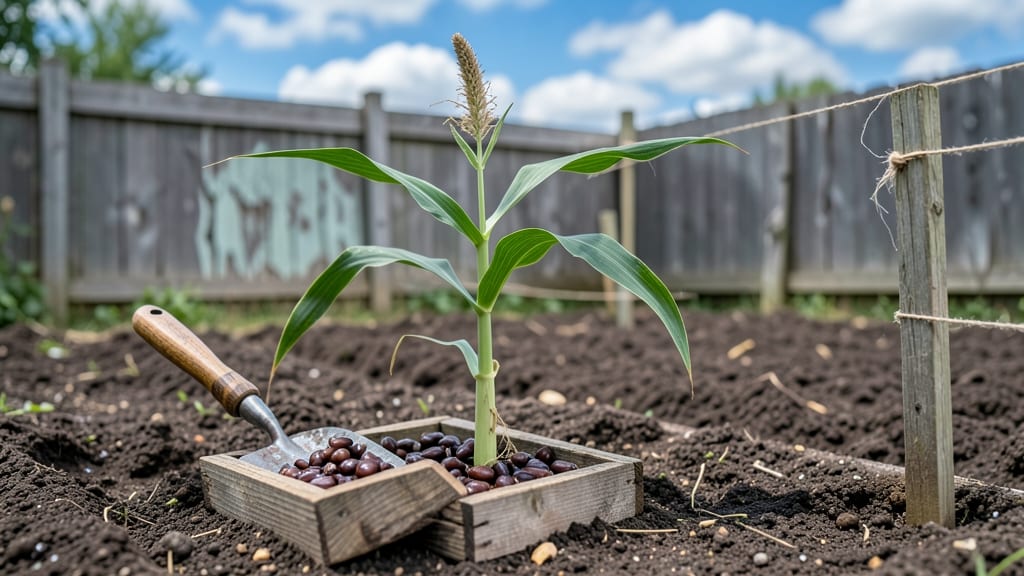
Timing your 🌽 corn planting in Tennessee isn't just about the calendar—it's about matching your county's heat zone to the plant's needs. Get it wrong, and you might end up with stunted stalks or missed harvests before summer's over.
Most Tennessee gardeners know the general rule: aim for mid-April to mid-May when soil warms to 60°F. But here's the catch—your exact planting window depends on whether you're in East Tennessee's cooler 6a-7a zones or West Tennessee's warmer 7b-8a climate.
I'll show you how to pinpoint the perfect dates for your specific area, including how to adjust for late frosts, soil prep secrets, and even when to consider summer varieties for extended harvests.
By the end, you'll know exactly when to drop those seeds for plump, sweet ears from July through September—no guesswork, just guaranteed results.
Tennessee corn planting dates by heat zone (2024 guide)
Tennessee’s diverse climate—from USDA zones 6b to 7b—means your corn planting window can vary by 10-14 days depending on your county. In West Tennessee (Memphis, Nashville), warm soils arrive by mid-April, while East Tennessee (Knoxville, Chattanooga) may wait until late April to avoid frost damage.
The key? Plant when soil temperatures hit 50°F+ and 2 weeks after your last frost date.
For sweet corn varieties, aim for a 75-day harvest window before the first frost (typically mid-October in most counties). Dent corn (like Silver Queen) can handle later plantings, but early varieties (60-70 days) like Ambrosia need perfect timing to avoid earworm infestations in humid summer months.
Here’s how to pinpoint your exact planting window using USDA heat zones and local frost data:
| Region | USDA Zone | Last Frost Date | Optimal Planting Window | Soil Temp Threshold |
|---|---|---|---|---|
| West TN (Memphis, Jackson) | 7a-7b | March 1-15 | Mid-April to early May | 50°F+ (consistent) |
| Middle TN (Nashville, Clarksville) | 6b-7a | March 15-30 | Late April to mid-May | 55°F+ (minimum) |
| East TN (Knoxville, Chattanooga) | 6a-6b | April 1-15 | Late April to early June | 60°F+ (recommended) |
| High Altitude (Great Smoky Mtns) | 5b-6a | May 1-15 | Early June (short season) | 65°F+ (critical) |
🌽 Pro Tip: Use a soil thermometer to confirm readiness—corn roots struggle below 50°F.
If you’re in West Tennessee, don’t wait past mid-May for sweet corn—heat stress reduces sugar content. Meanwhile, East Tennessee gardeners can stretch their season with succession planting every 2 weeks until June 15 to avoid overlapping harvests.
For organic growers, cover seeds with straw mulch to retain heat in cooler zones.
One critical mistake I see in Tennessee gardens? Planting too early when soils are still damp and cold. Corn seeds rot at 45°F or below, so wait for consistent warmth—even if it means delaying by a week.
Use black plastic mulch to warm soil faster in Zone 6b areas like Knox County.
For urban gardeners in cities like Nashville, microclimates near buildings can add 2-3°F of warmth. Plant 1-2 weeks earlier in these spots, but monitor for drought stress—concrete absorbs heat and dries soil quickly. Drip irrigation is a game-changer for container-grown corn in balcony gardens.
Remember: Corn is a heavy feeder, so amend soil with compost or aged manure 4-6 weeks before planting.
In clay-heavy soils (common in Middle TN), mix in sand or peat moss to improve drainage. Test your soil pH—corn thrives at 6.0–7.0, and lime may be needed if readings are below 6.0.
Finally, track your local heat units
How to adjust corn planting for Tennessee’s microclimates
Tennessee’s diverse geography means your corn’s success depends on whether you’re in the high-altitude Smoky Mountains or the low-lying Memphis Delta. Microclimates can shift ideal planting windows by 2-4 weeks, so local adjustments are key.
For example, East Tennessee’s cooler zones (6b-7a) may need corn planted 2 weeks later than West Tennessee’s warmer areas (7b-8a).
Urban gardeners in cities like Nashville or Chattanooga often face heat islands that dry out soil faster—so mulch heavily and water daily in May. Meanwhile, organic farmers should focus on cover crops like clover to retain moisture and improve soil fertility before planting.
Microclimate Type
Adjustment Needed
Best Varieties
Key Tip
High-Altitude (East TN)
Plant 2-3 weeks later (May 15–June 1)
Silver Queen, Country Gentle
Use black plastic mulch to warm soil faster
Urban Heat Islands
Plant earlier (April 15) or use shade cloth
Early Sunglow, Peaches & Cream
Water morning-only to prevent fungal growth
West TN (Warmer Zones)
Plant April 1–May 10 (earlier for sweet corn)
Ambrosia, Bodacious
Try succession planting every 2 weeks for extended harvest
Organic Gardens
Plant after soil hits 60°F (test with thermometer)
Organic Golden Bantam
Add compost tea at planting for nutrient boost
For extended harvests, try succession planting—sow seeds every 2 weeks from April through June. This works especially well in West Tennessee’s longer growing season, where you can stagger sweet corn, popcorn, and field corn varieties.
Just remember: shorter-season varieties (like Ambrosia) mature faster (60–70 days) and are perfect for late plantings.
If you’re in East Tennessee’s cooler zones, opt for bush corn varieties (like Golden Bantam) that grow 4–6 feet tall—they’re less prone to lodging in windy mountain conditions.
Always test soil temperature with a soil thermometer before planting; corn won’t germinate well below 50°F, and roots struggle in cooler soils.
Pro Tip: In drought-prone areas, plant corn near soybeans or beans—their deep roots help pull moisture up for your corn. Avoid planting near tomatoes or potatoes, which compete for nutrients and attract shared pests like corn earworms.
🌽