
How To
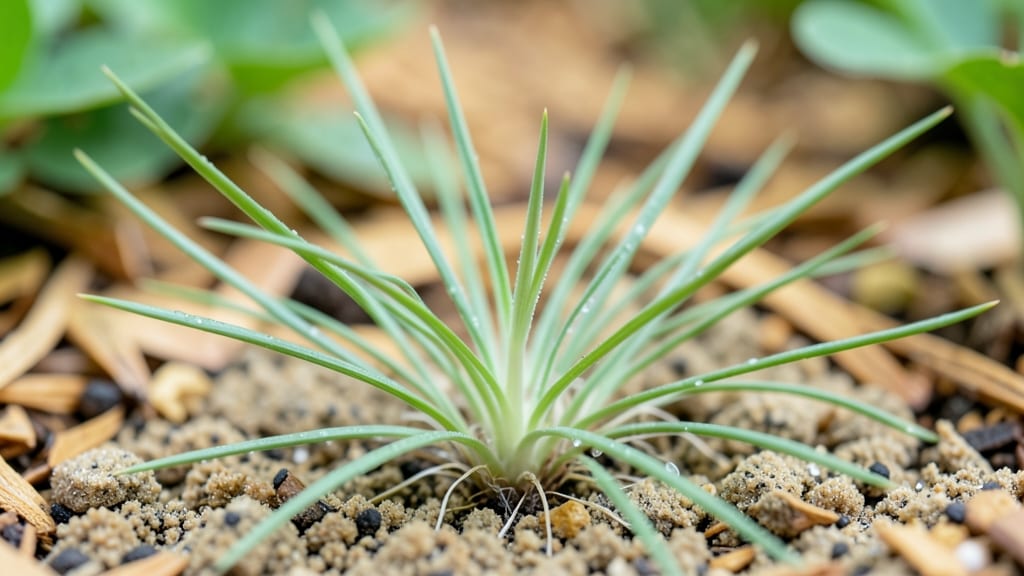
Planting centipede grass seed in Georgia at the wrong time can mean the difference between a lush, fast-growing lawn and a struggle with slow germination. The key window—late spring to early summer—aligns perfectly with your climate’s 7a-9a zones, when soil warms to 60°F and rainfall supports root establishment.
Why does timing matter so much? Centipedegrass thrives in heat but needs consistent moisture to take hold. Skipping this window risks weak growth or even seed failure when summer droughts hit.
I’ll show you exactly how to prepare your soil, choose the right variety, and avoid common mistakes that derail even the best-laid plans.
Georgia’s humidity and sandy soils make centipedegrass a top pick for low-maintenance lawns, but success starts with the right prep. From testing your soil pH to controlling weeds before planting, these steps ensure your grass gets the strong start it needs.
Let’s break down the exact process so you can enjoy a green lawn without the guesswork.
Whether you’re seeding a new yard or overseeding an existing one, this guide covers everything—from the best months to plant in your region to post-planting care that keeps your lawn thriving. Ready to transform your outdoor space with minimal effort? Let’s get started.
Best months to plant centipede grass seed in Georgia (climate-specific guide)
Georgia’s climate varies dramatically from the coastal regions to the Piedmont and North Georgia mountains, so planting times must adapt. For centipedegrass—a heat-loving, drought-tolerant grass—timing your seed planting between late spring and early summer is critical.
This window ensures soil temperatures stay above 60°F (15°C), the minimum for germination.
In most of Georgia, May through early June offers the ideal balance of warm soil, consistent rainfall, and fewer frost risks.
Coastal areas like Savannah can start as early as late April, while higher elevations like Dahlonega or Blue Ridge may need to wait until mid-June to avoid late-spring frosts.
Here’s how Georgia’s microclimates break down for centipedegrass planting:
| Region | Best Planting Window | Soil Temp Requirement | Key Risk to Avoid |
|---|---|---|---|
| Coastal (Savannah, Brunswick) | Late April – May | 60°F+ (15°C+) | Early summer drought |
| Piedmont (Atlanta, Macon) | May – Early June | 65°F+ (18°C+) | Late frost (after May 15) |
| North Georgia (Dahlonega, Blue Ridge) | Mid-June – Early July | 70°F+ (21°C+) | Summer heat stress |
Centipedegrass thrives in Georgia’s USDA Zones 7a–9a, but its dormancy in winter means planting too late can stunt root development. If you miss the ideal window, August is a secondary option, though germination slows as temperatures rise.
Always check your local frost-free date—typically mid-March for last frosts and mid-November for first frosts.
Another critical factor is rainfall patterns. Georgia’s summer storms provide natural watering, but drought-prone areas (like parts of West Georgia) may need supplemental irrigation. Aim for 1–1.5 inches of water per week during establishment to keep seeds moist but not waterlogged.
For best results, plant centipedegrass seeds when daytime highs reach 80°F (27°C)—this aligns with June in most of Georgia. This heat kickstarts rapid germination, and the grass will establish roots before summer’s peak intensity.
If you’re planting sod instead of seed, the timing shifts slightly to late spring to early fall, as sod can handle slightly cooler soil.
Pro tip: Use a soil thermometer to confirm temperatures. Centipedegrass seeds won’t sprout below 60°F (15°C), and waiting for warmer soil reduces the risk of fungal diseases common in Georgia’s humidity. If your soil is cooler than ideal, consider black plastic mulch to warm it faster.
Finally, avoid planting in August or September unless you’re in North Georgia’s cooler zones. The combination of high heat and humidity can stress young seedlings, leading to brown patch disease or poor root development. Stick to the May–June window for a lush, low-maintenance lawn that stays green year-round.
Once planted, centipedegrass spreads aggressively, crowding out weeds naturally. But timing your planting right ensures it gets the head start it needs to outcompete crabgrass and clover, two common Georgia lawn invaders. With the right timing, your centipede lawn will be dormant-resistant and drought-tolerant by late summer.
Best months to plant centipede grass seed in Georgia (climate-specific guide)
Georgia’s diverse climate—from coastal humidity to Piedmont heat—means the best time to plant centipede grass seed varies by region. For most areas, late spring to early summer (May–June) is ideal, but coastal zones can extend planting into early August.
The key is waiting until soil temperatures hit 60°F (15°C) and all frost risk has passed.
North Georgia’s cooler microclimate (USDA zones 7a–7b) benefits from planting in May or early June, while the Piedmont and Atlanta metro areas thrive with June plantings. Coastal Georgia (Savannah, Brunswick) can push planting to early August due to warmer soils and longer growing seasons.
Always check your local last frost date—mid-March for most of Georgia—to avoid cold snaps.
| Region | Best Planting Months | Soil Temp Requirement | Risk to Avoid |
|---|---|---|---|
| North Georgia (USDA 7a-7b) | May–June | 60°F+ (15°C) | Late frosts |
| Piedmont/Atlanta | June | 65°F+ (18°C) | Summer drought |
| Coastal Georgia | May–August | 68°F+ (20°C) | Hurricane season |
Timing isn’t just about months—it’s about soil conditions. Centipede grass struggles in cool, wet soils, so avoid planting in April or September when Georgia’s unpredictable rains can delay germination.
Instead, aim for dry, warm conditions to help seeds establish quickly. A soil thermometer ($15–$20) is your best tool to confirm readiness.
Once planted, centipede grass enters a dormant phase in summer, conserving moisture. This makes it perfect for Georgia’s heat, but it also means avoid planting in August or later unless you’re in coastal areas.
Late plantings risk weak establishment before winter dormancy kicks in. Prioritize early summer for the strongest root growth before Georgia’s first frost hits in mid-November.
Pro tip: If you’re overseeding an existing lawn, late spring (May) is your window. For new lawns, June ensures seeds germinate before summer’s peak heat. Always water deeply after planting—1 inch per week—to encourage root development without over-saturating the soil.
For a low-maintenance, shade-tolerant lawn, centipede grass is Georgia’s secret weapon. But planting at the right time ensures it thrives year-round. Mark your calendar for June 1st—that’s peak planting season for most of the state! 🌱