Plants
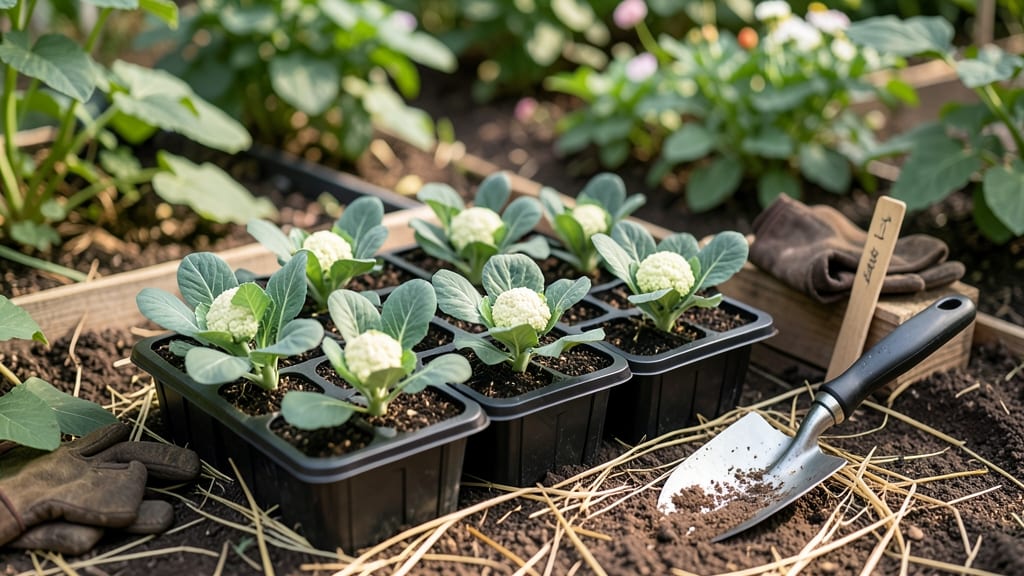
If you’ve ever planted cauliflower 🥬 in Florida only to watch it bolt in the heat or wilt from unexpected frost, you’re not alone—but timing everything just right changes the game.
The key to a successful harvest lies in Florida’s unique frost-free window, where cooler fall and winter months create the perfect conditions for this cool-season crop. Plant too early, and you risk heat stress; too late, and frost can ruin your crop before it matures.
With the right schedule, you can enjoy fresh, homegrown cauliflower from December through April.
In this guide, I’ll break down the exact months to plant cauliflower in Florida—whether you’re in the cooler North or the frost-free South—plus proven strategies to extend your growing season without risking bolting. Let’s get your garden set up for a bumper crop.
From soil prep to transplant timing, we’ll cover everything you need to know to avoid common mistakes and maximize your harvest. Ready to grow like a pro?
Florida cauliflower planting calendar: month-by-month frost-free window
Florida’s warm climate makes cauliflower a tricky crop—too early, and you risk frost damage; too late, and your plants bolt before forming heads. The key is planting within the frost-free window, which varies by Florida’s distinct zones.
North Florida (Zones 8-9) has cooler winters, while South Florida (Zones 10-11) rarely sees frost. Let’s break down the best months for planting in each region to maximize your harvest.
For North Florida (e.g., Jacksonville, Gainesville), aim to plant cauliflower between mid-August and October. This gives your plants time to mature before the first frost, typically around mid-November.
If you’re in Central Florida (Orlando, Tampa), you can extend your window slightly—plant from late August to November—since frosts are rare but possible in December.
Meanwhile, South Florida (Miami, Fort Lauderdale) gardeners can plant year-round, but the ideal window is September to January for cooler weather and better head formation.
Here’s a quick reference for your region’s planting window and harvest timeline:
| Region | Best Planting Months | First Frost Risk | Harvest Window |
|---|---|---|---|
| North Florida (Zones 8-9) | Mid-August – October | Mid-November | December – March |
| Central Florida (Zones 9a-10) | Late August – November | December (rare) | January – April |
| South Florida (Zones 10-11) | September – January | None | October – March |
If you’re planting cauliflower seeds directly in the garden, start them indoors 4-6 weeks before your target outdoor date. This head start helps seedlings establish before transplanting. For example, if you’re in North Florida and aiming for an October planting, begin seeds indoors in early September.
Use seed-starting trays with well-draining soil and keep them in a sunny window or under grow lights until they’re ready for the garden.
Transplant seedlings outdoors on a cloudy day or in the early evening to reduce stress. Harden off seedlings by gradually exposing them to outdoor conditions for 5-7 days before transplanting. This process helps them adjust to Florida’s humidity and sunlight intensity, reducing the risk of shock or disease.
Water thoroughly after transplanting to settle the soil around the roots and encourage quick establishment.
For gardeners in South Florida, where summers are too hot for cauliflower, focus on fall and winter plantings. Use shade cloth (30-50%) during the hottest part of the day to protect plants from bolting.
Even in cooler months, avoid planting too late—cauliflower needs 60-80 days to mature, so aim to finish planting by January to harvest before summer heat sets in.
Pro tip: Succession planting can extend your harvest. In North and Central Florida, make a second planting in late January for a spring crop. Choose heat-tolerant varieties like ‘Snowball Y Improved’ or ‘Purple of Sicily’ to improve your chances of success in warmer months.
Always monitor your local frost dates and adjust your timeline accordingly.
Remember, cauliflower thrives in cool weather (50-75°F). In Florida’s heat, plants may bolt prematurely, producing bitter, inedible flowers instead of heads. By sticking to the frost-free window and choosing the right varieties, you’ll be well on your way to a bountiful harvest—no frost or bolt in sight!
🌱
How to extend Florida’s cauliflower growing season without risking bolting
Florida’s warm winters and hot summers make cauliflower a finicky crop, but with the right strategies, you can grow it year-round. The key is extending the frost-free window while preventing heat stress that triggers bolting. Start by focusing on shade protection and succession planting to maximize your harvest.
For fall plantings, use lightweight row covers or shade cloth (30-50%) to protect young plants from late-summer heat. This mimics cooler conditions and prevents premature flowering. In North Florida, where frost is a risk, cover plants with frost blankets after November 15 to safeguard your crop.
Here’s how to extend your growing season without risking bolting:
For winter plantings, focus on January-February to avoid early frost in North Florida. Use row covers to protect young seedlings from cold snaps, and always plant in well-draining soil to prevent waterlogged roots.
In South Florida, where frost is rare, you can even experiment with summer plantings using shade cloth and extra watering.
Remember, consistent moisture is critical—cauliflower bolts when stressed. Aim for 1-2 inches of water per week and monitor soil moisture closely. With these techniques, you can enjoy fresh cauliflower year-round in Florida’s unique climate! 🌱