
Plants
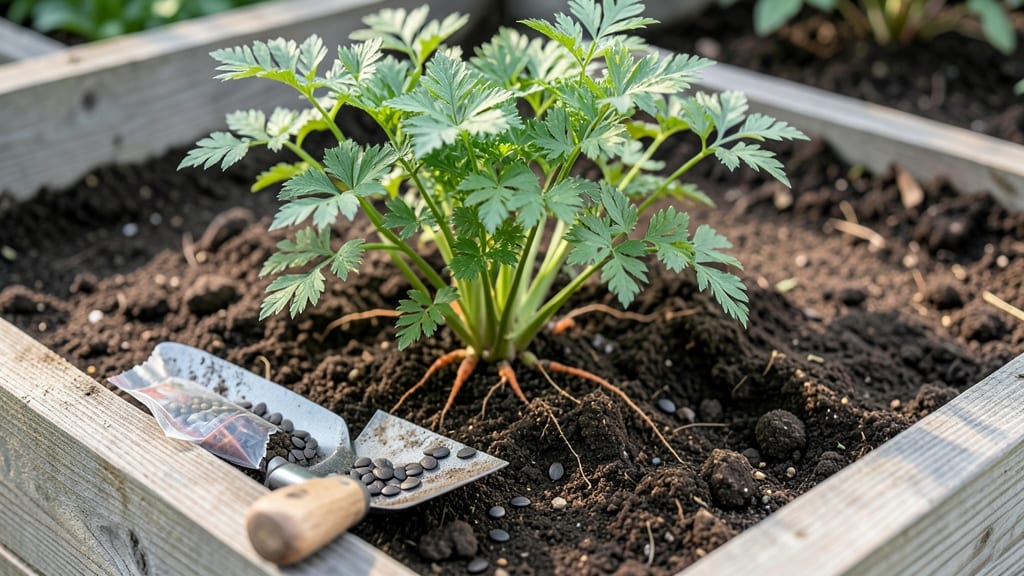
If you’ve ever planted 🥕 carrots in Zone 6a only to watch them bolt before harvest—or worse, rot in the ground—you’re not alone. The secret to success isn’t just when you plant, but how you time it with soil temperatures and seasonal shifts.
Too early, and frost will stall growth; too late, and summer heat will turn your crisp roots into bitter, stringy disappointments.
Here’s the game-changer: In Zone 6a, your best bets are early spring (March–April) and late summer (July–August), when soil hits that 50–75°F sweet spot for germination.
But there’s more to it than dates—soil prep, variety choices, and even companion plants play a role in avoiding the #1 carrot-growing mistake.
I’ll walk you through the exact steps to time your planting like a pro, including how to adjust for early or late frosts and which cold-hardy varieties thrive in 6a. No more guesswork—just a foolproof plan for a harvest of sweet, bolt-free 🥕 carrots from late summer to fall.
Ready to ditch the trial-and-error? Let’s get your carrots in the ground at the perfect moment—so you can enjoy that first crisp bite without the frustration.
Zone 6a carrot planting calendar: exact dates for sweet, bolt-free harvests
In Zone 6a, timing your carrot planting isn’t just about months—it’s about soil temperatures and frost-free windows. The ideal window spans early spring (March-April) and late summer (July-August), but exact dates depend on your microclimate and variety choices.
Miss these windows, and you risk bolting (going to seed) or stunted growth from heat stress.
Carrots thrive when soil temps hit 50–75°F. Below 50°F, seeds rot; above 80°F, they bolt. In Zone 6a, this means waiting until after the last frost (April 15) for spring plantings and before summer heat peaks (July 1) for fall crops.
Use these soil temperature triggers as your guide, not just calendar dates.
Here’s your Zone 6a carrot planting calendar, broken down by season with exact soil temp targets and harvest timelines to ensure crisp, sweet roots:
| Season | Planting Window | Soil Temp (°F) | Frost Risk | Harvest Window |
|---|---|---|---|---|
| Early Spring | March 15–April 15 | 50–65°F | Low (after last frost) | June–July |
| Late Summer | July 1–August 15 | 60–75°F | None (summer heat) | October–November |
| Fall (Cold-Hardy) | August 1–September 1 | 55–70°F | Moderate (use row covers) | October–November |
For spring plantings, start seeds indoors 4–6 weeks before your last frost (early March in Zone 6a) if using transplants. However, direct sowing is best for carrots—it prevents root stress from transplant shock. Aim for March 15–April 15 when soil temps consistently stay above 50°F.
In late summer, focus on short-day varieties like ‘Paris Market’ or ‘Little Finger’ to avoid bolting. Sow seeds July 1–August 15, when daytime highs are below 80°F and nights dip below 70°F. This ensures roots mature before first frost (October 15).
Pro tip: In Zone 6a’s shorter growing seasons, use succession planting every 2–3 weeks from March to August. This keeps your harvests steady and reduces gaps in your garden.
For example, plant a batch on March 15, April 1, April 15, and so on—each batch will mature at different times.
If you’re in an early Zone 6a (warmer microclimate), you can push spring plantings to mid-February with row covers or a cold frame. Conversely, in late Zone 6a (cooler areas), wait until mid-April to avoid frost damage.
Always check your local frost dates—they can vary by 1–2 weeks even within the same zone.
Remember: Carrots hate heat. Planting in July or August without shade cloth risks bolting. Instead, opt for shade-tolerant varieties like ‘Danvers Half Long’ or ‘Nantes’ and water deeply in the morning to keep soil cool. A mulch layer (straw or grass clippings) also helps regulate soil temps.
Finally, mark your calendar for harvest time: Most varieties take 70–80 days to mature. In Zone 6a, this means June–July for spring plantings and October–November for fall crops. Harvest when roots reach ½–¾ inch diameter—any larger, and they’ll toughen up.
Soil temperature secrets: how to time carrot planting like a pro
Timing your carrot planting in Zone 6a isn’t just about checking the calendar—it’s about understanding soil temperature. Carrot seeds need 50-75°F soil to germinate properly. Too cold, and they’ll rot in the ground; too hot, and they’ll bolt before you harvest. Here’s how to get it right every time.
Start by testing your soil with a soil thermometer—the key to avoiding wasted effort. Plant when the soil hits 50°F consistently for at least 5 days.
In Zone 6a, this usually means waiting until mid-April for spring plantings. If you’re planting in late summer, aim for July when soil cools slightly.
🚨 WARNING: Don’t rely on air temperature alone! A sunny day might trick you into thinking the soil is warm enough, but shade and moisture can keep soil 10°F cooler than the air. Always check with a thermometer to avoid disappointment.
🌱 Common Mistake: Planting Too Early
Many gardeners rush to plant carrots as soon as the ground is workable, but cold soil causes seeds to rot. If your soil is below 50°F, wait—even if it’s March! Use row covers or black plastic mulch to warm the soil faster if needed.
Fix it: Test soil temp daily. If it fluctuates, plant only when it’s consistently warm for a week.
For a longer harvest season, consider using row covers to extend your planting window. These lightweight fabrics trap heat and can push your spring planting back by 2-3 weeks or protect fall plantings from early frosts. Just remove them when flowers appear to prevent bolting.
If you’re still unsure, opt for bolt-resistant varieties like ‘Danvers Half Long’ or ‘Nantes’, which handle temperature swings better than standard types. These varieties are more forgiving if your timing is slightly off.
Pro tip: Loosen your soil before planting to improve warmth absorption. Amend with compost to help retain moisture and encourage even germination. Once your seeds are in, keep the soil consistently moist (but not soggy) to speed up sprouting.