
Plants
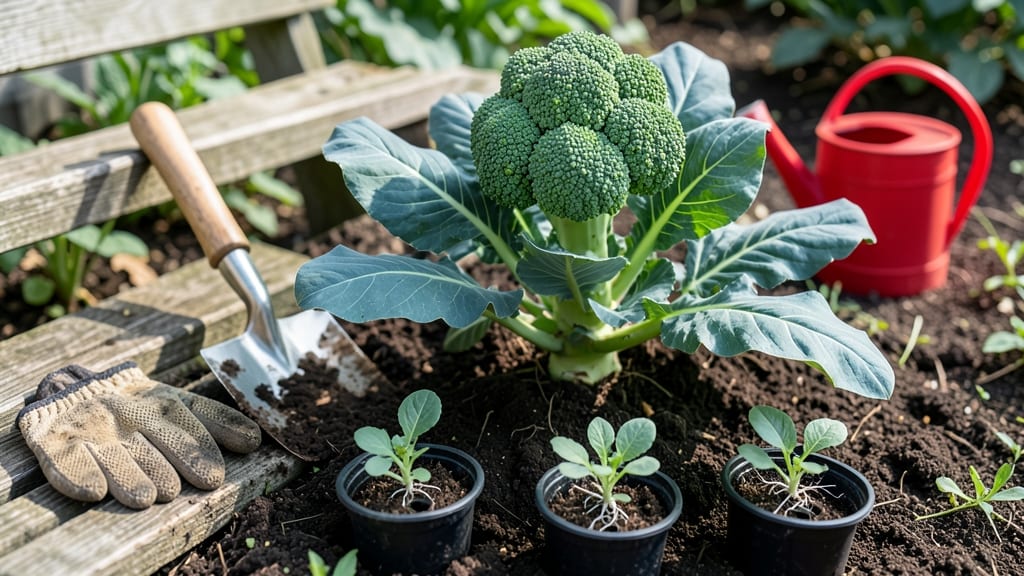
If you're growing 🥦 broccoli in Zone 9, timing your planting could mean the difference between a thriving harvest and bitter disappointment. Unlike cooler climates, Zone 9's warm winters and intense summers demand a precise strategy to avoid bolting or stunted growth.
Most gardeners in Southern California or Phoenix know the struggle—plant too early, and your broccoli bolts before forming heads; too late, and you miss the sweet spot for winter growth. The key is locking in those cool-season months when temperatures dip just enough to trigger healthy development.
In this guide, I'll break down the exact planting windows that work best for Zone 9, including how to adjust for microclimates and heat-resistant varieties. You'll also learn how to extend your harvest season with simple but effective techniques.
Whether you're a first-time gardener or a seasoned pro, these insights will help you grow broccoli that's sweeter, bigger, and more abundant—no matter how hot your summer gets.
Best months to plant broccoli in Zone 9 for maximum yield
In Zone 9, where summer heat can turn broccoli into bitter, bolted disappointments, timing your plantings for cooler months is non-negotiable. Unlike colder climates, Zone 9 gardeners don’t have the luxury of spring planting—broccoli needs consistent temperatures below 75°F to thrive.
My strategy? Focus on fall and winter plantings when daytime highs dip into the 60s and 70s.
Zone 9’s optimal planting window spans from late August through early September for a fall crop and again from December through January for winter harvests. These windows align with soil temperatures below 70°F, which prevents premature bolting—the enemy of sweet, tender broccoli heads.
For example, in Southern California, I’ve found that planting in mid-September yields mature heads by January, just before spring heat ramps up.
Here’s the critical rule: Avoid planting broccoli when daytime temperatures exceed 80°F—even for a few weeks. Heat stress triggers bolting, and once those yellow flowers appear, your harvest window closes faster than a desert sunset.
In Arizona’s Valley, where summer temps often hit 100°F+, I’ve had to get creative with shade cloth and succession planting to cheat the system.
Now, let’s talk microclimates, because not all of Zone 9 is equal. Coastal areas like San Diego enjoy milder winters, while inland cities like Phoenix face sharper temperature swings.
If you’re in a coastal microclimate, you can extend your planting window into early October. Inland gardeners? Stick to September or risk heat stress.
| Planting Window | Ideal Months | Target Soil Temp (°F) | Harvest Window | Key Consideration |
|---|---|---|---|---|
| Fall Planting | Late August - Early September | 60-70°F | December - February | Avoid summer heat; use shade cloth if needed |
| Winter Planting | December - January | 55-65°F | February - April | Best for cooler microclimates; protect from late frosts |
| Spring Planting (Risky) | February (Coastal Only) | 65-70°F | April - May | High bolting risk; use shade cloth and heat-tolerant varieties |
Pro tip: Use a soil thermometer to confirm temperatures before planting. Broccoli roots prefer cool soil, and if your thermometer reads above 75°F, wait a week or two.
I’ve wasted entire seed flats by ignoring this rule—don’t make my mistake! Pair this with drip irrigation to maintain even moisture, which is crucial in Zone 9’s dry summers.
For succession planting, stagger your sowings every 2-3 weeks within the optimal window. This ensures a continuous harvest from December through April. For example, if you plant 10 seeds every 14 days in September, you’ll have fresh broccoli ready to pick just as spring heat arrives.
Just remember: never plant broccoli after March in most of Zone 9—by then, the heat is too intense.
If you’re pushing the limits and planting in early spring, choose shady spots under trees or use 30-40% shade cloth to keep leaf temps below 85°F.
I’ve had success with De Cicco broccoli under partial shade in March, but the heads were smaller—still worth it for an early harvest!
Finally, companion planting can help regulate temperature and deter pests. Pair broccoli with radishes (they repel flea beetles) or dill (attracts beneficial insects). Avoid planting near tomatoes or cabbage, as they compete for nutrients and attract similar pests.
A well-planned garden layout can mean the difference between a bountiful harvest and a disappointing one.
Timing your broccoli plantings in Zone 9 isn’t just about months—it’s about temperature thresholds, microclimates, and heat management. Master these, and you’ll enjoy crisp, sweet broccoli heads all winter long. Now, grab your calendar and mark those September and December dates—your future self will thank you!
Best months to plant broccoli in Zone 9 for maximum yield
Zone 9's warm winters and hot summers make broccoli planting timing critical. Unlike cooler zones, you can't just plant in spring—heat stress causes bolting (premature flowering). The sweet spot? Late summer to early fall (August-September) and winter months (December-January) when temperatures stay below 75°F.
For fall planting, aim for 6-8 weeks before first frost (though Zone 9 rarely freezes, cool temps help). Winter planting (December-January) gives you a spring harvest before summer heat arrives. This two-season approach maximizes your zero-bolt broccoli success rate.
🌱 Key Temperature Thresholds:
- Optimal soil temp: 45-85°F (2-3 weeks before planting)
- Danger zone: Above 85°F (triggers bolting)
- Ideal air temp: 60-70°F during growth
| Planting Window | Temperature Range | Harvest Window | Notes |
|---|---|---|---|
| Late August - Early September | 65-75°F | November - December | Fall crop; use shade cloth |
| December - January | 50-65°F | February - April | Best flavor; avoid frost |
| February (high elevation) | 55-68°F | April - May | Risky; needs shade |
Microclimates matter in Zone 9! Coastal areas (like San Diego) can plant 2 weeks earlier than inland deserts (like Phoenix). Test soil temps with a thermometer—if it's above 75°F, delay planting or use shade cloth.
For container growing, move pots to shaded areas during peak afternoon heat.
Pro tip: Succession plant every 2-3 weeks in fall/winter for continuous harvests. Start with transplants (faster) and follow with direct sowing for later crops. Belstar and De Cicco varieties handle Zone 9's heat better than standard types.
Remember: Broccoli hates heat—even a 78°F day can trigger bolting. Morning watering and mulch keep roots cool. With perfect timing, you'll enjoy crisp, sweet heads instead of bitter bolts.