Plants
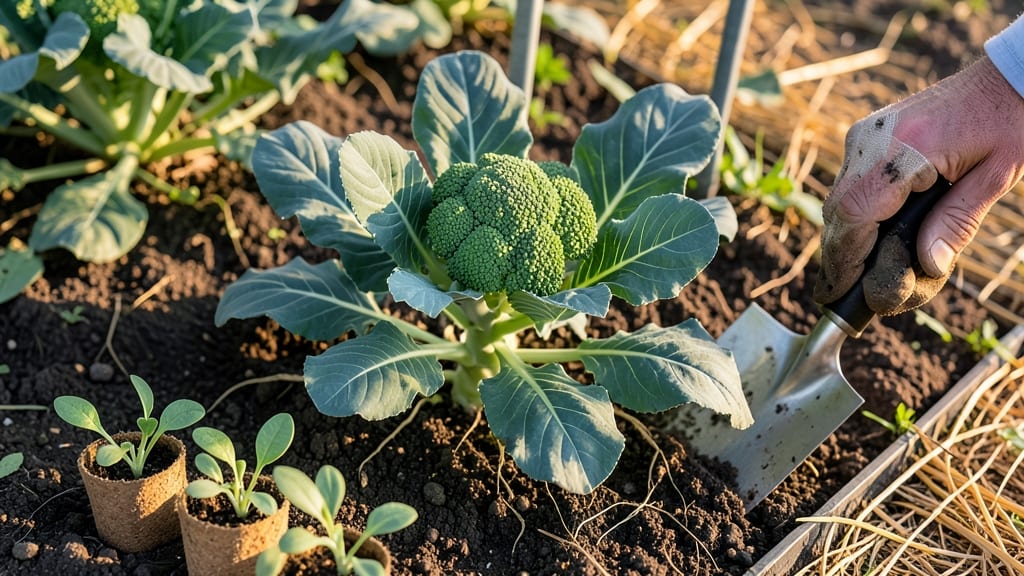
Timing your 🥦 broccoli planting in Connecticut is the secret to avoiding bitter, bolting plants before they even reach harvest size. With Connecticut's unpredictable USDA Zone 5b-6b climate, getting those seeds in the ground too early or too late can mean the difference between a bountiful garden and wasted effort.
Most gardeners in CT focus on the early spring window (March-April) when soil temperatures are just right, but did you know late summer (August-September) offers a second chance for a fall harvest?
The key lies in understanding your specific microclimate—whether you're in coastal New Haven, inland Hartford, or the highlands of Litchfield County—each has slightly different frost patterns that affect planting.
I've spent years perfecting my own broccoli-growing schedule in CT, and what I'm about to share will help you avoid common mistakes that lead to premature bolting. From calculating frost-free dates to choosing the right varieties for your zone, we'll cover everything you need to know to maximize your yield.
Let's dive into the exact planting dates and strategies that work best for Connecticut's climate, so you can enjoy homegrown 🥦 broccoli from late spring through fall without the stress of guesswork.
Optimal broccoli planting dates in CT by microclimate zone
Connecticut’s diverse geography—from coastal Fairfield County to inland Hartford and the highlands of Litchfield—creates three distinct microclimates that dramatically affect when you should plant broccoli. The wrong timing can trigger premature bolting (flowering before harvest), so understanding your zone is key.
Let’s break down the ideal windows for each area, including soil temperature requirements and frost-free date calculations.
Most CT gardeners focus on two planting windows: early spring and late summer. However, coastal areas can start 2-3 weeks earlier than inland zones due to milder winters. Highland regions, meanwhile, may need to delay planting until after the last frost by 1-2 weeks to avoid late-season cold snaps.
Always check your local USDA Zone 5b-6b frost dates, but use these guidelines as your baseline.
For accurate frost dates, consult the CT Agricultural Experiment Station or use the National Weather Service’s frost prediction tool. Inland areas like Hartford typically see their last frost around April 15, while coastal zones (e.g., New Haven) can plant as early as March 20.
Highland regions (e.g., Torrington) often wait until April 25 to be safe.
| Microclimate Zone | Spring Planting Window | Soil Temp Requirement | Fall Planting Window | Key Risk |
|---|---|---|---|---|
| Coastal (Zone 6b) | March 20 - April 5 | 45°F+ (7°C+) | August 15 - Sept 1 | Humidity-related rot |
| Inland (Zone 5b-6a) | April 1 - April 15 | 50°F+ (10°C+) | August 20 - Aug 31 | Late frost damage |
| Highland (Zone 5b) | April 15 - May 1 | 55°F+ (13°C+) | Sept 1 - Sept 10 | Heat-induced bolting |
Soil temperature is just as critical as air temperature. Broccoli seeds germinate poorly below 45°F (7°C), and seedlings may rot if planted in cold, soggy soil. To test, bury your thermometer 2 inches deep in moist soil and wait for consistent readings above 50°F (10°C) before planting.
Inland areas often need to wait until mid-April for these conditions, while coastal zones can start earlier.
For fall planting, aim to harvest before hard frosts hit (typically mid-October in CT). Coastal areas can push harvests into early November with row covers, but inland zones should finish by October 15.
Use cold-hardy varieties like ‘Waltham 29’ or ‘Calabrese’ for later harvests—they tolerate light frosts better than standard types.
If you’re unsure about your microclimate, observe your neighbors’ gardens: leaf-out dates on trees correlate closely with broccoli planting windows. For example, when maple trees in your area start budding, it’s a sign to prepare soil for spring planting.
In CT, this usually aligns with late March to early April for most regions.
One common mistake is relying on calendar dates instead of soil conditions. I once planted broccoli in early April in Hartford, only to watch seedlings rot in 50°F (10°C) soil that was still damp from snowmelt.
Always test soil temperature and adjust your schedule accordingly—this single step can save your entire crop from bolting.
For container gardening in CT, plant broccoli 2-3 weeks earlier than in-ground planting. Containers warm up faster in spring, but they also dry out quicker, so use self-watering pots and monitor moisture closely. Coastal gardeners can even start indoor seedlings in February under grow lights for a head start.
Remember: Staggered planting is your best friend in CT’s unpredictable climate. By planting two successive batches—one in early spring and another in late summer—you’ll extend your harvest window and minimize bolt risk.
For example, plant half your seeds in April and the other half in late August to ensure a steady supply
Optimal broccoli planting dates in CT by microclimate zone
Connecticut’s diverse climate—from coastal moderation to inland chill—means your broccoli planting dates should vary by microclimate zone. Coastal areas like New London enjoy 10-14 days earlier planting than inland Hartford or highland Torrington. Understanding these zones helps avoid heat-induced bolting and ensures harvest-ready heads.
Broccoli thrives when soil temps hit 40°F (4°C)—ideal for early spring (March-April) or late summer (August-September) plantings. Coastal areas can start 2-3 weeks earlier than inland zones due to milder winters.
Always calculate from your last frost date, which ranges from April 15 (coastal) to May 1 (highlands).
| Zone | Last Frost | Spring Planting Window | Fall Planting Window | Soil Temp Requirement |
|---|---|---|---|---|
| Coastal (New Haven, New London) | April 10-15 | March 15-April 1 | August 15-Sept 1 | 40-45°F (4-7°C) |
| Inland (Hartford, New Britain) | April 20-May 1 | March 30-April 15 | August 1-Sept 10 | 40-45°F (4-7°C) |
| Highland (Torrington, Waterbury) | May 1-5 | April 10-May 1 | July 30-August 15 | 40-45°F (4-7°C) |
For coastal CT, prioritize early March starts under row covers to protect from late frosts. Inland areas should wait until mid-April when soil warms consistently. Highland gardeners may need to start indoors in late March for transplanting after frost danger passes.
Use cold-hardy varieties like 'Waltham 29' or 'Calabrese' for extended seasons. These tolerate light frosts and bolting risks better than heat-sensitive types. Always test soil pH (aim for 6.0-7.0acidic soils often need lime amendments.
Pro tip: Plant broccoli raab (rapini) in late summer for a fall harvest—it handles cooler temps better than traditional broccoli. Just harvest before flowers open to prevent bitterness.
Check your local UConn Extension office for microclimate-specific frost data—some valleys (like Farmington) run 2 weeks later than nearby hills. Adjust planting dates accordingly to avoid wasted effort.