
Plants
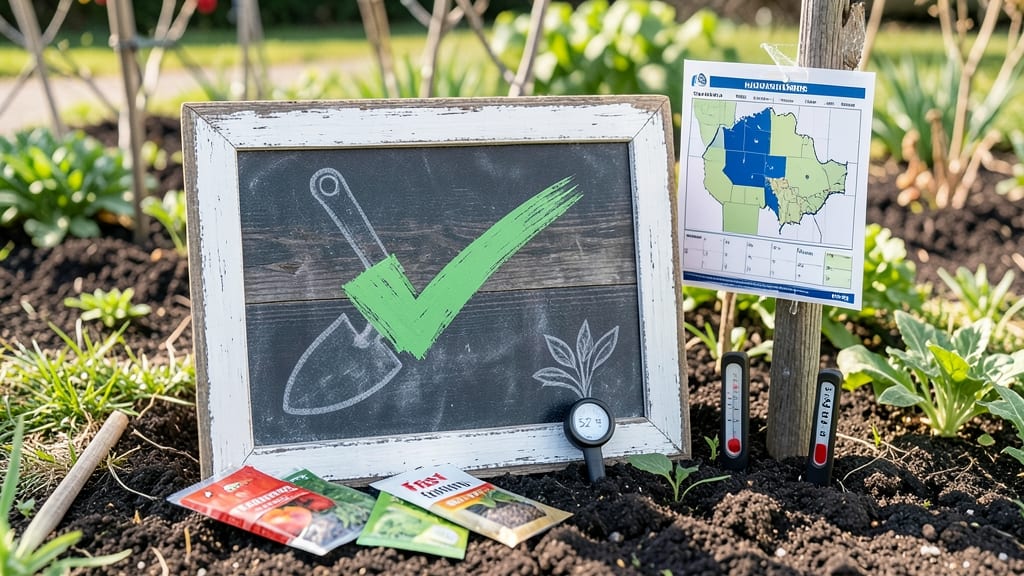
If you've ever rushed to plant your garden in Michigan only to watch frost nip your seedlings overnight because you didn’t know when it is safe to plant in Michigan, you're not alone.
Knowing the right timing is the difference between a bumper crop and a sad pile of seed packets. The last frost dates vary wildly across the state—from USDA Zone 5b in the Upper Peninsula to Zone 6b in southern regions—so timing matters more than you think.
Most gardeners wait until after the average last frost date, but that's not always the best strategy. Some hardy crops like peas and spinach can handle light frosts, while tender plants like tomatoes need at least 10 frost-free days before they'll thrive.
I'll break down the exact windows for your region and show you how to use soil temperature and microclimates to plant with confidence.
Let's face it—Michigan's growing season is short, and every day counts. Whether you're planting warm-season veggies or cool-season greens, understanding your local frost patterns is the key to maximizing your harvest. You'll discover how to read frost maps, adjust planting dates, and even extend your season with simple tricks.
Ready to stop guessing and start growing? By the end of this guide, you'll know exactly when to put your 🌱 Safe seeds in the ground—no more frost surprises. Let's get your Michigan garden off to the right start!
Michigan’s last frost dates by region: USDA Zone 5b vs. 6b planting timeline
Michigan’s last frost dates vary dramatically between its USDA Zone 5b (Upper Peninsula and northern Lower Peninsula) and Zone 6b (southern Lower Peninsula). In Zone 5b, the average last spring frost occurs around May 15–20, while Zone 6b typically sees its last frost by April 25–May 5.
These dates determine when you can safely plant warm-season crops like tomatoes and peppers without risking frost damage.
For cool-season crops such as lettuce, spinach, and peas, you can start planting 4–6 weeks before your last frost date. These hardy vegetables tolerate light frosts and can even thrive in cooler temperatures.
However, warm-season crops like cucumbers, beans, and squash need to wait until after the last frost to ensure survival.
Here’s how to use these dates: Add 10–14 days of buffer time after your last frost date to account for unpredictable weather. For example, if your last frost is May 10, wait until May 20–25 to plant heat-loving crops.
This extra time ensures your plants aren’t caught off guard by late frosts.
| Region | USDA Zone | Avg. Last Frost Date | Safe Planting Window | Warm-Season Crops |
|---|---|---|---|---|
| Northern Michigan (Upper Peninsula) | 5b | May 15–20 | May 25–June 1 | Tomatoes, Peppers, Corn |
| Southern Lower Peninsula | 6b | April 25–May 5 | May 10–15 | Tomatoes, Peppers, Squash |
| Metro Detroit | 6a/6b | April 20–May 1 | May 5–10 | Beans, Cucumbers, Melons |
If you’re in Zone 5b, your growing season is shorter, so prioritize fast-maturing varieties of vegetables like bush beans (50–60 days) or early tomatoes (60–70 days).
In Zone 6b, you have more flexibility to experiment with longer-season crops like sweet corn or peppers, which need 90+ days to mature.
Microclimates also play a role. Urban areas like Detroit or Grand Rapids often experience earlier last frosts due to the urban heat island effect, while rural areas near lakes (e.g., Traverse City) may have later frosts.
Check local weather records or use tools like the Michigan State University Garden Hotline for precise data.
For first-time gardeners, start with cool-season crops like spinach or radishes in early spring. These can handle light frosts and give you confidence before tackling heat-loving plants. Use row covers or cold frames to extend your planting window for delicate crops like lettuce or kale.
Always monitor soil temperature—most warm-season crops need soil to be at least 60°F before planting. A simple soil thermometer (available at garden centers) can save you from planting too early.
In Zone 5b, aim for late May for tomatoes, while Zone 6b gardeners can start as early as mid-April for peas or spinach.
Pro tip: Keep a gardening journal to track your local frost dates over the years. This helps you adjust planting times based on your specific microclimate. Over time, you’ll refine your schedule to match your garden’s unique conditions.
Remember, first frost dates in fall are equally critical. In Zone 5b, expect the first frost around September 20–October 5, while Zone 6b typically sees frost by October 10–20. Plan your harvests accordingly to avoid wasting produce.
How to calculate your local last frost date for accurate planting
Determining your local last frost date is the key to avoiding frost damage while maximizing your Michigan growing season. While USDA zone averages provide a starting point, your exact microclimate—like urban heat islands or lakes—can shift frost dates by weeks.
Start by checking historical frost data from sources like the Michigan State University Garden Hotline or NOAA frost maps, which offer county-level averages.
For USDA Zone 5b (northern Michigan), the average last frost typically falls between May 10–20, while Zone 6b (southern Michigan) sees frost-free conditions around April 25–May 10. However, these dates can vary by 3–5 days per year, so always verify with local records.
Use the 10-day rule: Wait at least 10 days after your last frost date before planting warm-season crops like tomatoes or peppers.
Don’t rely solely on dates—soil temperature is just as critical. Use a soil thermometer to confirm your soil is at least 50°F (10°C) for warm-season crops like peppers or 60°F (15°C) for corn and beans.
Cool soils slow germination, so wait until conditions are ideal. For cool-season crops like spinach or kale, you can plant them 2–3 weeks before your last frost.
Urban gardeners often enjoy earlier frost-free dates due to the urban heat island effect, while rural areas near lakes or forests may experience later frosts. If you’re near Great Lakes shorelines, expect cooler microclimates that delay planting by 1–2 weeks.
Always observe your garden’s behavior—frost cloth or row covers can buy you extra time for late spring plantings.
For extra precision, sign up for local weather alerts or use apps like Old Farmer’s Almanac or Weather Underground to track real-time frost predictions. These tools can help you adjust planting dates based on current conditions rather than relying on averages.
Remember, the earlier you plant, the more you risk, but with the right tools, you can extend your Michigan growing season safely.
Start your planning now by checking your local frost history and adjusting for your unique garden microclimate. With the right timing, you’ll be harvesting tomatoes and peppers long before your neighbors—without the frost bite! 🌱