
Plants
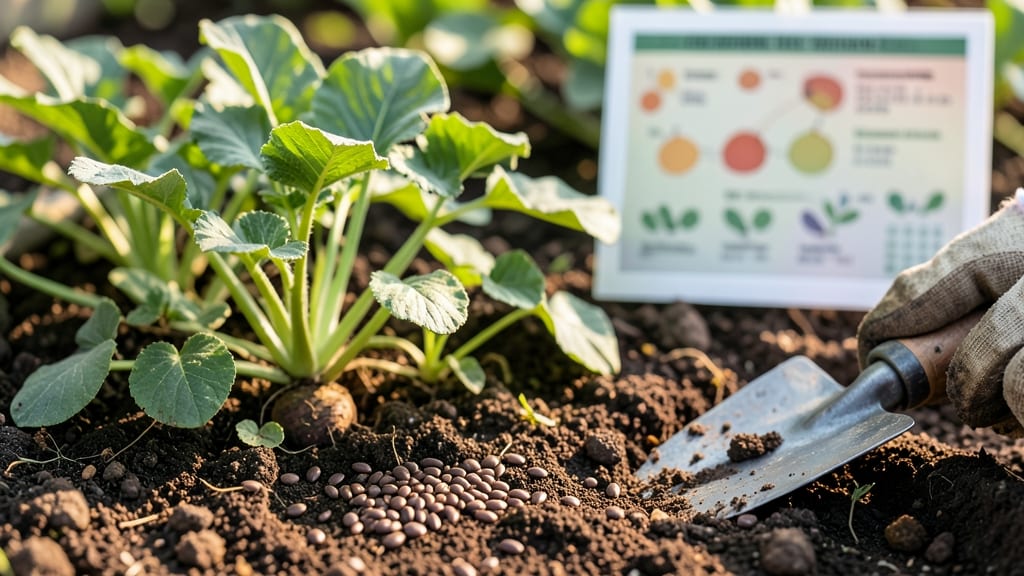
Timing your turnip planting in Georgia isn’t just about the calendar—it’s about beating the heat and frost to grow fast, crisp roots. Plant too early, and your 🥕 will bolt before you even harvest; too late, and pests or heat will ruin your crop.
The key? Understanding Georgia’s unique climate zones and soil temperature thresholds to maximize your turnip’s potential.
Whether you’re growing turnips as a fall crop, winter cover, or spring harvest, the 7b-8b zones demand precision. From the Piedmont’s cooler nights to the Coastal Plain’s longer growing season, each region has its own sweet spot for planting.
I’ll break down exactly when to sow seeds for zero bolt risk and the fastest germination, so you can enjoy homegrown turnips from October through April.
You don’t need a green thumb to succeed—just a clear schedule. We’ll cover soil prep, seed depth, and companion plants to keep pests at bay, plus adjustments for organic vs. conventional gardening.
Ready to turn your garden into a turnip powerhouse? Let’s get started with the perfect planting windows for your Georgia zone.
This isn’t just theory—it’s a battle plan for your garden. By the end, you’ll know exactly when to plant for fast growth, how to avoid common mistakes, and which varieties thrive in your neck of the woods. No more guessing—just crisp, homegrown turnips all season long.
Georgia planting zones & heat map for turnip success (avoid bolting)
Turnips thrive in Georgia’s cool-season windows, but the state’s USDA zones 7a-8b and hot summers demand precise timing. Plant too early, and your turnips bolt (go to seed); too late, and heat stress stunts growth.
The key is understanding your microclimate—North Georgia’s cooler mountains vs. South Georgia’s warmer lowlands—and aligning planting with soil temperatures and frost dates.
For optimal germination, soil should be 45–65°F. In North Georgia (zones 7a-7b), aim for late August to early September for fall crops and February to early March for spring.
South Georgia (zones 8a-8b) gardeners should plant mid-September to early October for fall and late January to February to avoid summer heat. These windows ensure turnips mature before bolting temperatures exceed 80°F.
Here’s how Georgia’s heat zones break down for turnip success:
| Region | USDA Zone | Best Planting Window | Soil Temp Threshold | Frost Risk |
|---|---|---|---|---|
| North Georgia (Mountains) | 7a-7b | Late Aug–Early Sep (Fall) / Feb–Early Mar (Spring) | 45–65°F | First frost: Mid-October; Last frost: Mid-March |
| Central Georgia (Piedmont) | 7b-8a | Mid-Sep–Early Oct (Fall) / Late Jan–Feb (Spring) | 50–65°F | First frost: Early November; Last frost: Late February |
| South Georgia (Coastal Plain) | 8a-8b | Mid-Sep–Early Oct (Fall) / Late Jan–Feb (Spring) | 55–65°F | First frost: Late November; Last frost: Early March |
Turnips are cool-season crops, so they prefer 60–70°F air temperatures. In Georgia’s Zone 8b (South Georgia), summer heat makes turnips nearly impossible to grow—focus on fall and winter plantings instead.
For North Georgia, you can squeeze in a spring crop if you plant by February 15th to harvest before summer heat sets in.
Another critical factor is day length. Turnips bolt when days get too long (14+ hours of daylight). In Georgia, this typically happens by late April, so avoid planting turnips after this date unless you’re using shade cloth to extend the season.
For winter crops, plant 6–8 weeks before the first frost to ensure roots mature before cold sets in.
If you’re growing turnips as a cover crop or winter green, plant in October for a harvest in December–January. This works especially well in South Georgia, where mild winters allow turnips to thrive.
In North Georgia, a late September planting will give you greens by November before frost hits.
For organic gardeners, focus on soil health to improve turnip resilience. Amend your soil with compost or aged manure before planting to ensure fertile, well-draining soil. Turnips prefer a pH of 6.0–7.0, so test your soil and adjust with lime or sulfur if needed.
Healthy soil helps turnips resist bolting and pests like flea beetles, which are more active in hot, dry conditions.
One common mistake is planting turnips too densely. Space seeds 1–2 inches apart and thin to 3–4 inches once seedlings emerge. Overcrowding leads to small, pithy roots and increased disease risk. Use a sharp knife or scissors to thin seedlings at soil level to avoid damaging roots.
Finally, succession planting is your best friend for a continuous turnip harvest. In Georgia, plant every 2–3 weeks from August through October for fall crops, and every 3 weeks from January through March for spring.
This ensures you always have fresh, crisp turnips without a glut of mature roots at once.
By following these Georgia-specific guidelines, you’ll avoid the pitfalls of bolting, heat stress, and poor germination. With the right timing, you’ll enjoy homegrown turnips from October through April—just in time for soups, salads, and roasted sides! 🥕
Step-by-step turnip planting schedule by Georgia region (fall vs. winter)
Georgia’s diverse climate—from the cool Blue Ridge Mountains to the warm Coastal Plain—means your turnip planting schedule should adapt to your region. North Georgia’s USDA Zone 7a allows earlier fall plantings, while South Georgia’s Zone 8b demands later starts to avoid summer heat.
Follow this region-specific calendar to maximize your harvest.
For North Georgia (Zones 7a-7b), aim for two planting windows: late summer (August-September) for fall harvests and early spring (February-March) for spring greens. In South Georgia (Zones 8a-8b), shift to September-October for fall and January-February for spring, avoiding temperatures above 85°F, which triggers bolting.
- Step 1: Soil Prep (4-6 Weeks Before Planting) – Test soil pH (ideal: 6.0-7.0). Amend with compost if needed. North Georgia: July-August; South Georgia: August-September.
- Step 2: Seed Selection – Choose fast-maturing varieties like 'Tokyo Cross' (30 days) or 'Purple Top White Globe' (50 days) for Georgia’s short growing seasons.
- Step 3: Planting Depth & Spacing – Sow seeds ½ inch deep, 1-2 inches apart. Thin seedlings to 3-4 inches apart once they’re 2 inches tall.
- Step 4: Watering Schedule – Keep soil consistently moist (1 inch per week). Water morning-only to prevent fungal diseases like downy mildew.
- Step 5: Succession Planting – Sow every 2-3 weeks from August to October (North) or September to November (South) for continuous harvests.
- Step 6: Pest Control – Monitor for cabbage worms and flea beetles. Use row covers for young plants or apply neem oil as needed.
In North Georgia, your last frost typically arrives by mid-November, so aim to harvest turnips by then or plant a winter cover crop (like rye) to protect soil.
In South Georgia, where frosts are rare, focus on fall harvests before December or opt for winter-hardy varieties like 'Hollow Crown' that tolerate light frosts.
Pro tip: Use shade cloth (30-50%) if planting in late summer to protect seedlings from intense afternoon sun. This is especially critical in South Georgia’s Zone 8b, where temperatures can exceed 90°F even in September. Pair turnips with radishes or lettuce to improve soil structure and deter pests.
Remember, turnips are cool-season crops, so avoid planting when soil temperatures exceed 80°F. Use a soil thermometer to check—ideal planting temps are 50-70°F. If your summer heat lingers, wait until late August or switch to container gardening with afternoon shade.
For a year-round harvest, stagger plantings every 3 weeks from August through February. This ensures you’ll always have young, tender turnips ready to pick, whether for salads, roasting, or fermenting. Happy planting! 🥕