
Plants
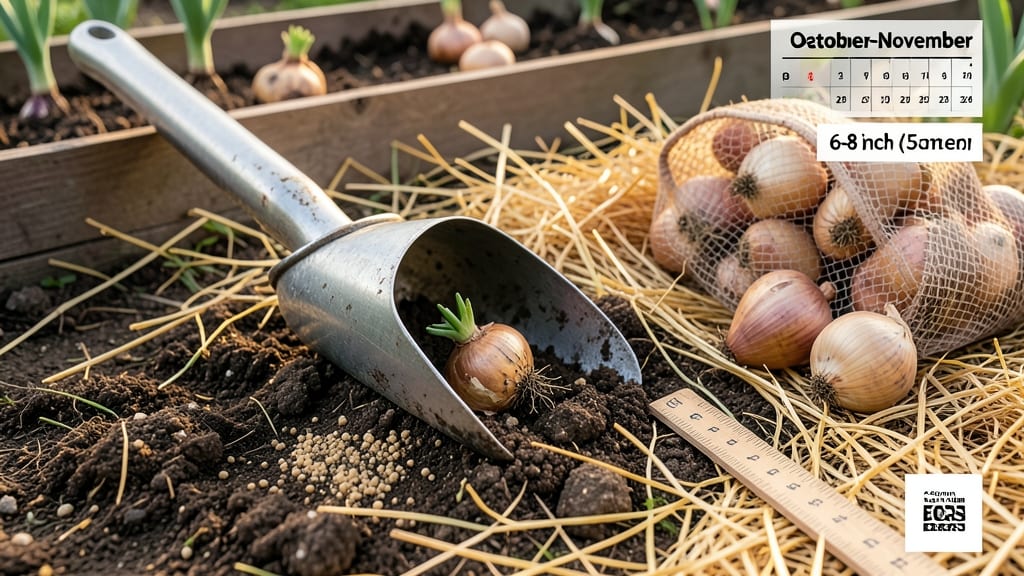
Planting tulip bulbs in Michigan at the wrong time can mean the difference between a stunning spring display 🌷 and a wasted investment. With USDA Zones 5B-6B and unpredictable frost dates, timing is everything—especially since bulbs need 6-8 weeks to establish roots before winter sets in.
Most Michigan gardeners assume "fall planting" means anytime after Labor Day, but that’s where mistakes happen. The ideal window runs from mid-October to early November, when soil temperatures drop below 60°F and the ground begins to cool.
Plant too early, and your bulbs may sprout prematurely; too late, and frost will damage them before they take root.
Don’t stress if your schedule doesn’t align perfectly—this guide breaks down the exact frost-free timeline for your zone, plus 5 critical factors that determine success. Whether you’re in Detroit or Traverse City, you’ll learn how to adjust for local microclimates and avoid common pitfalls that kill Michigan tulips.
Ready to transform your garden next spring? Let’s dive into the data-driven approach that ensures your tulips bloom on time—every single year.
Michigan tulip planting calendar: exact weeks before first frost by zone
Michigan’s USDA Zones 5B and 6A create a tight window for planting tulip bulbs—miss it, and you risk rot from early planting or failed blooms from late planting. The key?
Planting 6-8 weeks before the ground freezes, which typically lands in mid-October to early November across most of the state. In Zone 5B (southern MI), the first frost often arrives by October 15-20, while Zone 6A (northern MI) can see frost as early as October 1-10.
This timing ensures bulbs establish roots before dormancy, a critical step for surviving Michigan’s freezing winters. Soil temperatures should drop below 60°F (15°C)—a sign it’s time to plant. Use a soil thermometer for precision, especially in Detroit, Grand Rapids, or Traverse City, where microclimates vary.
Here’s your zone-specific planting timeline based on average frost dates and the 6-week rule:
| Zone | Average First Frost | Ideal Planting Window | Soil Temp Threshold | Action |
|---|---|---|---|---|
| 5B (Southern MI) | Oct 15-20 | Mid-Sept to Oct 15 | Below 60°F (15°C) | Plant by Oct 15 for best results |
| 6A (Northern MI) | Oct 1-10 | Late Aug to Sept 30 | Below 60°F (15°C) | Plant by Sept 30 to avoid frost |
| Both Zones | N/A | Latest: Early Nov (if soil is workable) | N/A | Use mulch to protect bulbs |
For Zone 5B gardeners in Ann Arbor or Kalamazoo, aim for mid-September to October 15. In Zone 6A areas like Marquette or Sault Ste. Marie, start as early as late August to meet the frost deadline.
Check the National Weather Service or local Michigan State University Extension for your area’s 10-year frost averages—these can shift by 1-2 weeks annually.
Pro tip: If you’re unsure about frost dates, use the "6-week countdown" rule. Mark your calendar 6 weeks before your average first frost and plant by then.
For example, if frost hits November 1, plant by September 15. This method works even if frost arrives early or late.
Once planted, mulch with 2-4 inches of straw or shredded leaves to insulate bulbs from freeze-thaw cycles, a common issue in Michigan’s clay-heavy soils. This extra layer can push your planting window 1-2 weeks later without risking bulb damage.
Remember: Tulips need cold stratification to bloom, so don’t plant in spring. Even if you miss the fall window, store bulbs in a cool, dry place (35-40°F) and replant next fall. With Michigan’s short growing season, every week counts for those vibrant spring blooms!
🌷
5 Critical factors that determine your planting success in Michigan’s climate
Michigan’s climate throws curveballs—soil temperature can swing from balmy to freezing overnight, and local microclimates like Detroit’s urban heat islands or Traverse City’s lake-effect winds create wildly different planting zones.
Even if you follow the 6-week rule (planting 6-8 weeks before frost), these 5 critical factors can make or break your tulips’ survival.
First, soil temperature is non-negotiable. Tulip bulbs rot if planted in soil warmer than 60°F (15°C). In southern Michigan (Zone 5B), soil may still hit 70°F in late September, while northern areas (Zone 6A) cool faster.
Use a soil thermometer—wait until readings drop below 60°F consistently before planting.
Next, moisture balance is a tightrope. Tulip bulbs need consistent but not soggy soil. Michigan’s heavy clay soils (common in Zone 5B) drain poorly, leading to rot.
Amend with compost or sand to improve drainage, and avoid planting in low-lying areas where water pools. A raised bed can be a game-changer for wet springs.
Don’t overlook bulb quality. Cheap or soft bulbs won’t survive Michigan’s winters. Stick to size 12+ bulbs (circumference) from trusted suppliers like Bare Root Nursery or Local Michigan nurseries.
Inspect bulbs for shriveling or mold—discard any that look compromised. Pro tip: Soak bulbs in a fungicide solution (like Neem oil) for 30 minutes before planting to prevent disease.
Michigan’s microclimates can shift planting windows by 2-3 weeks. For example, Detroit’s urban heat may allow planting until late October, while Traverse City’s lake breezes could require planting by mid-October. Check your local frost dates (via Michigan State University’s climate maps) and adjust accordingly.
If you’re unsure, err on the earlier side—bulbs can wait in a cool, dark place (like a garage) for a few weeks.
Finally, mulch protection is your secret weapon against Michigan’s freeze-thaw cycles. After planting, cover the bed with 3-4 inches of straw or shredded leaves. This insulates bulbs, preventing them from heaving out of the ground during temperature swings.
In Zone 6A, where winters are harsher, add an extra 1-2 inches of mulch. Just be sure to remove mulch in early spring (March) to allow sunlight to reach emerging shoots.
By mastering these 5 factors, you’ll turn Michigan’s unpredictable climate into an advantage. Your tulips will thank you with bold blooms next spring—no matter where you garden in the Great Lakes state. 🌷