
Plants
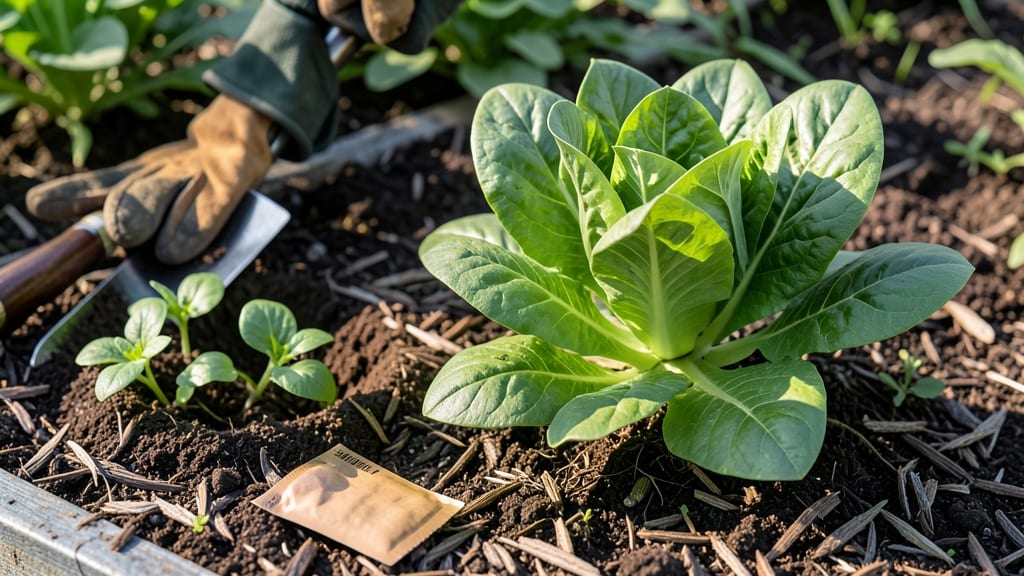
If you've ever watched your crisp 🥬 lettuce bolt into bitter seeds within days of planting in Texas, you know timing is everything.
The key to success isn't just knowing when to plant lettuce—it's understanding how Texas' extreme heat zones create wildly different growing windows from the Panhandle to the Rio Grande Valley.
North Texas gardeners can start seeds as early as February for a spring harvest, while South Texas growers might wait until September to avoid summer's scorching temperatures. The difference between these regions isn't just months—it's weeks of potential harvest or wasted effort.
What makes this even trickier is that Texas' 8a-10b zones mean frost dates vary by two months between North and South. Plant too early in Zone 8a, and you'll lose your crop to heat; too late in Zone 10b, and frost will catch you off guard.
I'll show you exactly how to match your planting schedule to your specific Texas microclimate, including heat-tolerant varieties that actually thrive in our climate. Let's turn your lettuce growing from guesswork to guaranteed success.
Texas heat Zone planting calendar for lettuce success
Texas’ 11 heat zones (A–I) create wildly different conditions for growing lettuce—what works in Zone I (Panhandle) fails in Zone H (Rio Grande Valley).
The key is planting when soil temps stay below 75°F and nights dip below 80°F, or lettuce bolts (goes to seed) faster than you can say "Texas summer."
Most Texas gardeners focus on two planting windows: fall (August–October) and spring (February–April). But your exact timing depends on your zone.
For example, North Texas (Zones 7b–8a) can start seeds indoors in early March, while South Texas (Zones 9a–10b) might plant fall lettuce as late as November.
Here’s how to match your zone to the perfect planting schedule—plus how to adjust for urban heat islands or rural breezes that can shift your microclimate by 2–3 weeks.
| Heat Zone | Spring Planting Window | Fall Planting Window | Last Frost Date | Key Tip |
|---|---|---|---|---|
| Zone A (Panhandle) | Late Feb–early March | Late July–early Aug | Nov 15–Dec 1 | Use row covers in fall |
| Zone B (North Central) | Early March | Mid-Aug–Sept | Nov 1–Nov 15 | Succession plant every 2 weeks |
| Zone C (Dallas/Fort Worth) | Mid-Feb–March | Late Aug–Sept | Nov 15–Dec 1 | Shade cloth for late spring |
| Zone D (Austin/San Antonio) | Late Jan–Feb | Sept–Oct | Dec 1–Jan 15 | Heat-tolerant varieties only |
| Zone E (East Texas) | Feb–March | Aug–Sept | Dec 15–Jan 1 | Morning watering critical |
| Zone H (Rio Grande Valley) | Sept–Oct (fall only) | Aug–Sept | Jan 15–Feb 1 | Winter harvests only |
Notice how Zone H (South Texas) can only grow lettuce in fall and winter? That’s because summer temps there routinely hit 100°F+, and even heat-tolerant varieties like Romaine or Black Seeded Simpson bolt within days.
Meanwhile, Zone A (Panhandle) gardeners can squeeze in a late-summer crop if they use shade cloth.
Pro tip: Check your local frost dates (use the Texas A&M AgriLife Extension map) and count backward. Lettuce takes 20–60 days to mature—plant so your harvest finishes 4–6 weeks before the first frost. For example, in Zone C (Dallas), aim to harvest by November 15 to avoid frost damage.
Urban gardeners in cities like Austin or Houston face extra challenges: concrete heat islands can make soil 10–15°F warmer than rural areas. If your garden is in a
How to extend your lettuce growing season in Texas heat
Texas summers can turn your lettuce into a sad, bolted mess—unless you know the tricks. The key is heat management: lettuce thrives in cool weather (60-70°F soil temps) but wilts under 90°F+. Here’s how to push your growing season beyond the usual fall/winter window.
First, choose heat-tolerant varieties like Romaine, Black Seeded Simpson, or Jericho. These varieties can handle short heat spells better than delicate Butterheads. I’ve grown Jericho in my Dallas garden through late May with minimal bolting—just with shade and consistent water.
Next, use shade cloth (30-50%) during peak afternoon heat. Stretch it 3-4 feet above plants to avoid blocking light entirely. In my San Antonio garden, I’ve extended lettuce harvests into June by adding shade cloth mid-morning and removing it by late afternoon.
🌡️ Numbered Highlights: Beat the Texas Heat
- 1. Succession Plant: Sow new seeds every 2-3 weeks from September to November for continuous harvests. In Zone I (Panhandle), start as early as mid-August under shade.
- 2. Mulch Heavily: Use 2-3 inches of straw or wood chips to keep soil 5-10°F cooler. I’ve seen soil temps drop 15°F in mulched beds compared to bare soil.
- 3. Water Deeply Daily: Morning watering (before 10 AM) prevents stress. Lettuce needs 1 inch of water weekly; let the top 1 inch of soil dry between waterings to avoid fungal issues.
- 4. Use Row Covers: Lightweight frost cloth in fall/winter (not summer) protects from light frosts (28-32°F). In Zone H (Rio Grande Valley), I’ve used them until mid-February.
- 5. Try Containers: Move pots to shadier spots or garages during 100°F+ days. Black plastic pots absorb heat—opt for light-colored or insulated containers instead.
For late-spring plantings, start seeds indoors in March and transplant outdoors in early April under 50% shade cloth. I’ve had success with Buttercrunch this way in Austin, harvesting before the June heat peaks. Just harden off seedlings for 7-10 days first!
Finally, avoid fertilizing during heatwaves. High nitrogen in hot weather causes leafy growth that bolts quickly. Instead, side-dress with compost in fall to support slow, steady growth for winter harvests.
With these tricks, you can enjoy fresh lettuce from September to April—even in 100°F Texas summers! The secret? Shade, water, and timing—just like a good Texas BBQ, it’s all about the right conditions. 🌱💧☀️