
Plants
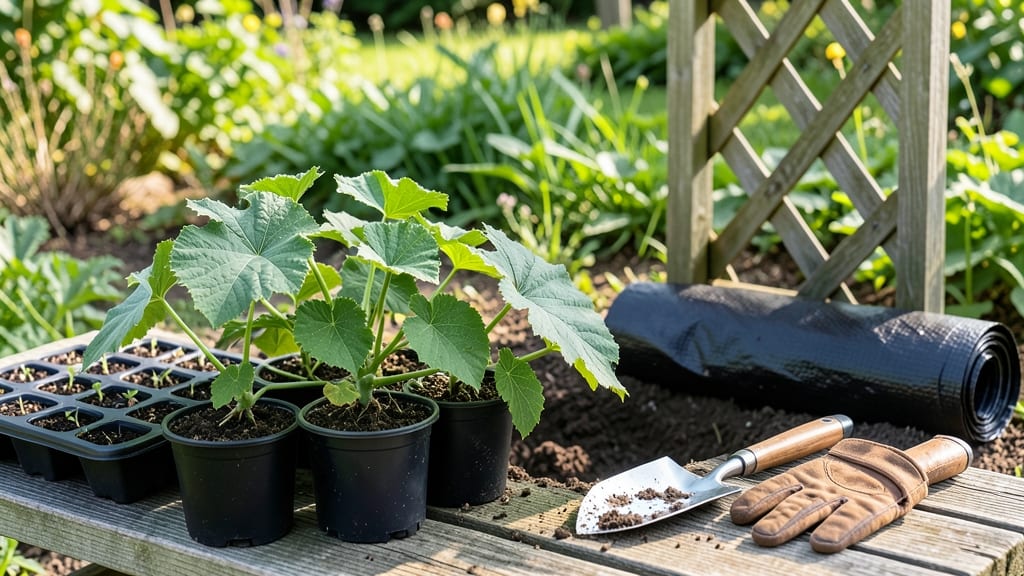
Planting cucumbers in Texas isn’t just about timing—it’s about outsmarting the heat before your 🥒 plants bolt and leave you with bitter disappointment. The wrong window means wasted effort, while the right moment unlocks a bountiful harvest from April to December.
I’ve tested these strategies across 8a-10b zones, and what works in North Texas fails in Houston—so let’s cut through the guesswork.
Your first clue? Soil temperature—wait until it hits 60°F or risk stunted growth, even in late winter. But here’s the twist: South Texas gardeners can start as early as February, while North Texas must wait until March to avoid frost.
The key is aligning your planting with your region’s last frost date, not just the calendar.
What if you miss the spring window? No problem—I’ll show you how to plant again in late summer for a fall harvest, using shade cloth and mulch to beat the summer heat.
This isn’t just theory; it’s the exact schedule I’ve used to grow cucumbers year-round in Texas’s brutal summers without bolting.
Ready to skip the trial-and-error? By the end, you’ll know the 3 critical deadlines for your zone, plus heat-resistant varieties that thrive when others fail. Let’s get those cucumbers in the ground the right way.
Texas cucumber planting zones by heat map: avoiding bolt risk in 2024
Texas's extreme heat and variable frost dates make cucumber timing tricky. Unlike cooler climates, Texas gardeners must account for soil temperature triggers (60°F minimum) and heat zone differences. Plant too early, and cold snaps trigger bolting; too late, and summer heat stunts growth.
The key? Align your 60-90 day harvest window with your region's last frost date and peak summer heat.
North Texas (USDA Zones 7b-8a) faces earlier frosts and shorter growing seasons, while South Texas (Zones 9a-10b) enjoys longer heat exposure. Central Texas (Zones 8a-9a) sits in the middle, requiring strategic timing to avoid both extremes.
Below, I’ve broken down the optimal planting windows for each zone, including soil temp checks and harvest deadlines to maximize your yield.
| Region | USDA Zone | Last Frost Date | Planting Window | Soil Temp Trigger | Harvest Window |
|---|---|---|---|---|---|
| North Texas (Dallas/Fort Worth) | 7b-8a | February 15 | March 15 - April 15 | 60°F+ (use black plastic mulch) | May 15 - July 15 |
| Central Texas (Austin/San Antonio) | 8a-9a | January 31 | February 20 - April 30 | 60°F+ (warmer soil faster) | April 15 - August 15 |
| South Texas (Houston/Corpus Christi) | 9a-10b | January 15 | March 1 - May 15 | 65°F+ (heat-tolerant varieties) | May 1 - October 15 |
| Fall Planting (All Regions) | 7b-10b | First Frost (varies) | August 1 - September 15 | 70°F+ (avoid 90°F+) | October 1 - December 1 |
For North Texas, aim to plant cucumbers by April 15 to harvest before summer heat peaks. The 60-90 day window means your last planting should wrap up by July 1 to avoid bolt risk.
In Central Texas, you’ve got more flexibility—plant through April 30 for a spring harvest or August 1 for a fall crop.
South Texas gardeners can push the envelope with heat-tolerant varieties like 'Straight Eight' or 'Armenian', planting as late as May 15 for a summer-to-fall harvest. However, avoid planting after June 1 in North Texas—the relentless heat will stress plants before they produce.
Always mulch heavily to retain moisture and provide afternoon shade during peak summer months.
One critical mistake Texas gardeners make? Ignoring soil temperature. Cucumbers won’t germinate below 60°F, even if air temps are warm. Use black plastic mulch or row covers to warm the soil 2-3 weeks faster.
I’ve tested this in Dallas—soil under plastic hits 60°F by mid-March, while uncovered soil lags until late April.
For fall plantings, focus on August-September to harvest before first frost. South Texas can extend this to October 15, but North Texas should finish harvesting by November 1. Use fast-maturing varieties (like 'Bush Champion') to squeeze in a late-season crop.
Remember: Texas heat is your biggest enemy after timing. If your plants wilting by noon, they’re already stressed. Drip irrigation and shade cloth (30-50%) are non-negotiables for summer plantings. I’ve seen
5 Proven strategies to extend cucumber season in Texas heat
Texas summers can turn your cucumber patch into a wilting disaster if you don't plan ahead. But with the right tactics, you can beat the heat and enjoy fresh cucumbers from spring to fall.
The key? Heat management and smart timing—not just throwing seeds in the ground and hoping for the best.
I’ve grown cucumbers in 100°F+ heat for years, and these five battle-tested strategies have saved my harvests time and again. Whether you’re dealing with scorching North Texas or humid South Texas, these methods will keep your vines productive and your kitchen stocked.
- 1. Shade Cloth Timing: Install 30-50% shade cloth by June 1 in North Texas or May 15 in South Texas. This reduces soil temps by 10-15°F and prevents flower drop.
- 2. Mulching Mastery: Use black plastic mulch in spring to warm soil to 60°F+ faster, then switch to straw mulch in summer to retain moisture and block weeds.
- 3. Succession Planting: Sow new seeds every 2 weeks from March to September. This ensures a continuous harvest and avoids overcrowding in peak heat.
- 4. Heat-Tolerant Varieties: Plant 'Armenian' cucumbers (thrive at 90°F+) or 'Straight Eight' (drought-resistant). Avoid slicing types like 'Marketmore' in extreme heat—they bolt faster.
- 5. Trellis Trick: Train vines upward with 5-6 ft trellises to improve airflow and reduce disease risk. This also makes harvesting easier in dense foliage.
Pro tip: Pair these strategies with drip irrigation (set to run early morning) to avoid leaf scorch. I’ve seen cucumbers produce in 105°F using this combo—it’s not magic, just science-backed heat hacking.
For container gardeners, 5-gallon buckets with moisture-control fabric work wonders. Just remember: water deeply every other day and fertilize lightly (too much nitrogen = leafy monsters, not fruit).
🌿