
Plants
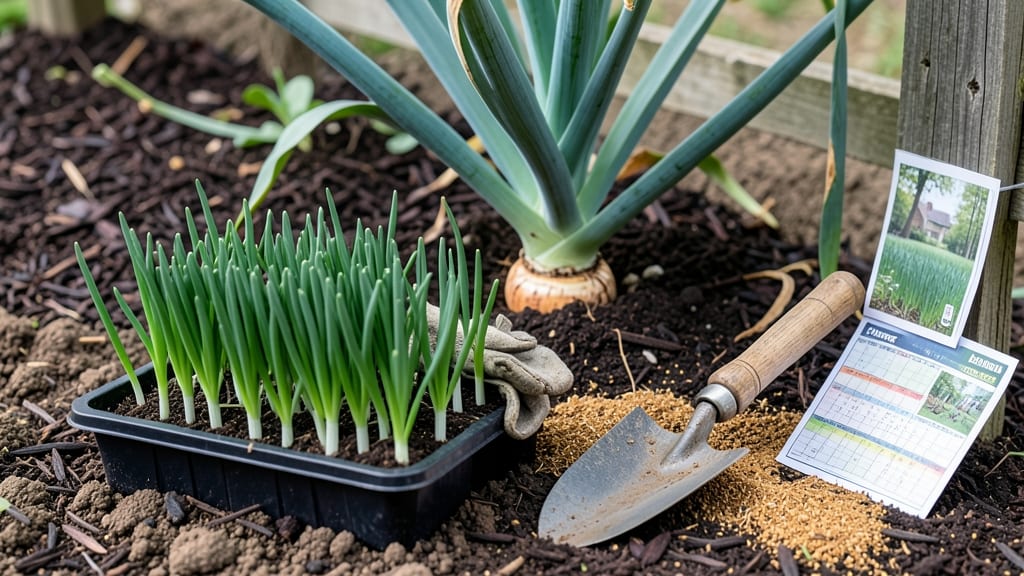
If you’ve ever wondered when you can plant onions in Ohio, you’re not alone. The state’s unpredictable spring weather—where frost can linger one week and heat arrive the next—makes timing the difference between a thriving crop and a wasted effort.
The key to success lies in planting 4-6 weeks before your last frost date, which in Ohio typically falls around mid-April. But here’s the catch: rushing too early risks frost damage, while waiting too long can lead to bolting or stunted growth.
Whether you’re growing from sets or seeds, understanding your region’s microclimate—especially in USDA Zone 6a—is the secret to a bountiful harvest.
In this guide, I’ll break down the exact planting windows for Ohio’s most reliable onion varieties, from cold-hardy favorites like ‘Candy’ to fast-maturing ‘Texas Early White.’ You’ll also learn how to avoid common mistakes, like planting too shallow or ignoring soil temperature, that can turn your garden into a disappointment.
Ready to turn your onion dreams into reality? Let’s dive into the perfect timing—and why a little patience in spring could mean the difference between a handful of bulbs and a pantry full.
Ohio onion planting calendar: best months by variety type
Ohio’s diverse climate zones mean your onion planting window depends on whether you’re in southern Ohio (warmer) or northern Ohio (cooler). Most gardeners plant spring onions 4-6 weeks before the last frost—typically March to early April—while fall onions go in August to September for a late harvest.
The key? Matching your onion variety to Ohio’s day-length requirements.
Short-day onions (like ‘Candy’) thrive in Ohio’s longer summer days and can be planted as early as February in southern Ohio or March in northern Ohio.
Intermediate-day varieties (such as ‘Yellow Sweet Spanish’) are the safest bet, while long-day onions (like ‘Texas Early White’) need cooler spring temps to form bulbs properly. Planting too early risks frost damage; too late, and they’ll bolt prematurely.
Here’s how Ohio’s last frost dates break down by region:
| Region | Last Frost Date | Ideal Planting Window | Best Varieties |
|---|---|---|---|
| Southern Ohio (e.g., Cincinnati, Columbus) | Mid-March | Late February–Early April | ‘Candy’, ‘Texas Early White’ |
| Central Ohio (e.g., Cleveland, Dayton) | Early April | March–Early April | ‘Yellow Sweet Spanish’, ‘Red Baron’ |
| Northern Ohio (e.g., Toledo, Youngstown) | Mid-April | Late March–Mid-April | ‘Crystal Wax’, ‘Sweet Sandwich’ |
| Fall Planting (All Regions) | N/A | August–September | ‘Texas Early White’, ‘Red Baron’ |
For spring onions, aim to plant 4-6 weeks before your region’s last frost. In southern Ohio, that’s late February; in northern Ohio, wait until late March.
Use onion sets (pre-sprouted bulbs) for faster results, or start seeds indoors 8-10 weeks before the last frost if you want to experiment with heirloom varieties.
Fall planting is trickier but rewarding. Sow seeds 8-10 weeks before the first frost (usually mid-September in southern Ohio, early September in northern Ohio). Choose long-day varieties like ‘Texas Early White’, which mature quickly in cooler temps. Mulch heavily to protect bulbs from early winter frosts.
Ohio’s humid summers can stress onions, so prioritize well-draining soil and consistent moisture. Amend clay soil with compost to prevent rot, and avoid overwatering once bulbs form. The goal? A sweet, firm bulb ready for harvest by July (spring) or October (fall).
Pro tip: Mark your calendar for Ohio’s average frost dates—southern Ohio’s last frost is April 15, while northern Ohio’s can linger until May 1. Planting too early risks frost-heaved soil; too late, and your onions may bolt before bulbing. Balance is key!
If you’re unsure about your local frost date, check the Old Farmer’s Almanac or your local Cooperative Extension Service. They provide hyper-local planting guides tailored to Ohio’s microclimates.
For example, Columbus averages a last frost of April 10, while Toledo might not see its last frost until April 25.
Remember: Onions are cool-season crops, so they tolerate light frosts (down to 20°F) but won’t survive prolonged freezes. Use row covers for early spring plantings if a late frost is forecasted.
With the right timing, you’ll harvest plump, sweet onions just in time for summer salads—or store them for winter cooking!
🌱
How to avoid common Ohio onion planting mistakes (and when to start indoors)
Ohio’s last frost dates can vary wildly—from April 15 in southern Ohio to May 15 in the north—making timing critical for onion success. Planting too early risks frost damage, while waiting too long can trigger premature bolting (when onions flower instead of bulbing).
The key? Start onions 4-6 weeks before your last frost for spring plantings, or 8-10 weeks before the first frost for fall harvests.
For a head start, I always pre-sprout onion sets indoors in late February. Place them in a sunny window or under grow lights until roots emerge (about 2 weeks). This gives them a jump on the season and helps avoid the April frost risk that can stunt young plants.
Just be sure to harden them off for a week before transplanting outdoors—this means moving them outside gradually to toughen their leaves.
Planting too early: Seedlings may freeze if temperatures dip below 28°F. Use row covers if frost is forecasted.
Planting too late: Onions will bolt prematurely (flower instead of bulbing) if days get too long. Aim for spring planting by April 1 in most of Ohio.
Skipping soil prep: Onions need well-draining, fertile soil with a pH of 6.0–7.0. Amend heavy clay soil with compost or sand.
If you’re planting from seed instead of sets, start them indoors 8-10 weeks before the last frost (around February 15 for most of Ohio). Use seed-starting trays with a light, sterile mix (like 50% peat moss and 50% perlite). Keep them in a warm spot (70°F) until sprouts appear, then move to a cooler area (60°F) to prevent legginess. Transplant seedlings outdoors when they’re 4–6 inches tall and the soil is at least 50°F. Another common mistake? Overcrowding onion plants. Space sets 4–6 inches apart in rows 12–18 inches apart to allow airflow and reduce disease risk. I’ve seen gardeners pack them too tightly, leading to small, misshapen bulbs or fungal infections. For green onions (scallions), you can plant them closer together (2–3 inches apart), but they won’t form full bulbs. For fall planting, aim to get onions in the ground by early August so they have time to mature before winter. Choose cold-hardy varieties like ‘Candy’ or ‘Texas Early White’, which can tolerate light frosts and still produce harvestable bulbs. Mulch heavily with straw or leaves to protect them from freeze-thaw cycles and keep soil temperatures stable. Finally, watch for onion maggots and thrips, which are common pests in Ohio. Rotate crops yearly to prevent buildup, and consider row covers early in the season to deter pests. With the right timing and a little prevention, you’ll avoid the most common mistakes and enjoy a bountiful onion harvest all season long! 🧅