
Companion Plants
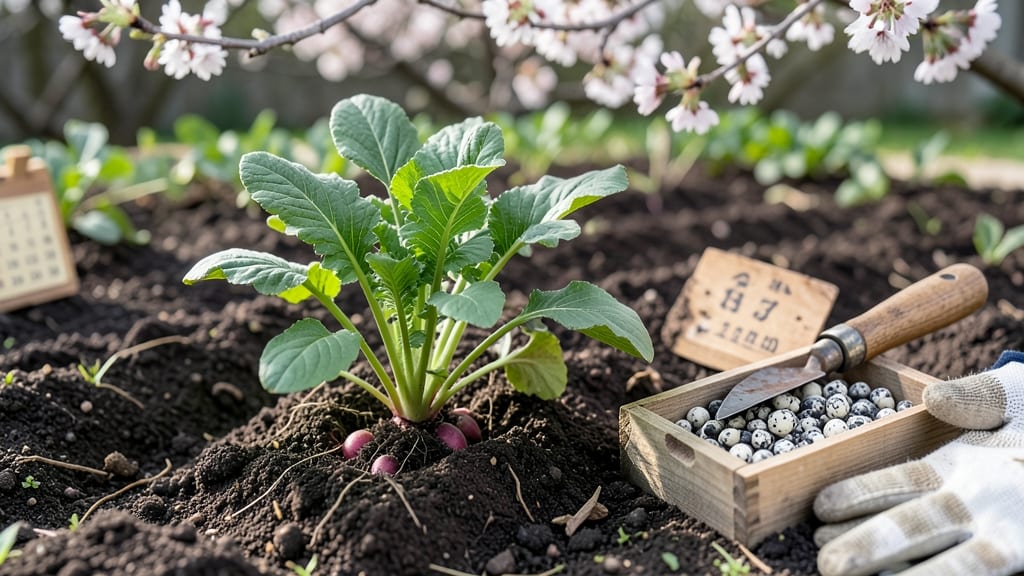
If you're itching to grow your own food but want to know when can I plant radishes in Zone 5 for a harvest in just 3-4 weeks, these fast-growing roots might be your secret weapon.
The key to crisp, sweet roots lies in planting them at the perfect time, and getting it wrong can leave you with bitter, tough vegetables instead of the fast, flavorful rewards you’re dreaming of.
Zone 5’s unpredictable climate means timing is everything—too early, and frost can ruin your seeds; too late, and your radishes bolt into flower before you even get a chance to taste them.
But don’t worry: with the right strategy, you can enjoy homegrown 🥕 harvests twice a year, whether you’re a seasoned gardener or just starting out.
In this guide, I’ll break down the exact weeks before your last frost to plant radishes for a spring harvest, plus how to extend your growing season into fall.
You’ll also learn how to avoid common mistakes that turn your garden into a radish graveyard—because nobody wants to wait months for a harvest when you could be eating them in weeks.
Ready to turn your garden into a radish powerhouse? Let’s dive into the best planting windows, soil prep, and quick tips to ensure your radishes grow fast, crisp, and delicious—no matter what Zone 5 throws your way.
Optimal planting windows for radishes in Zone 5: exact weeks before last frost
Timing your radish planting in Zone 5 is all about avoiding two extremes: late frosts that kill seedlings and hot summer heat that causes bolting. The sweet spot? 4-6 weeks before your last frost date in spring and 6-8 weeks before your first frost in fall.
For most of Zone 5, that means March 15–April 15 for spring and August 15–September 15 for fall.
Radishes thrive in cool soil temperatures (45–85°F), making early spring and late summer the perfect windows. If you plant too early, seedlings may rot in cold soil.
If you wait too late, heat stress triggers bolting (flowering), turning your radishes bitter and woody. Aim for soil temperatures between 50–70°F for best results.
Here’s the key: Soil temperature matters more than air temperature. Use a soil thermometer to confirm readiness—if it’s below 45°F, wait a week or two.
In Zone 5, this usually aligns with mid-to-late March for spring planting, but always check your local last frost date (typically May 10 in most Zone 5 areas).
| Planting Window | Zone 5 Dates | Soil Temp Goal | Key Notes |
|---|---|---|---|
| Early Spring | March 15–April 15 | 50–70°F | Plant 4–6 weeks before last frost; use cold-hardy varieties like 'Cherry Belle'. |
| Late Summer | August 15–September 15 | 60–75°F | Plant 6–8 weeks before first frost; choose heat-tolerant varieties like 'French Breakfast'. |
| Fall | September 1–October 1 | 55–70°F | Extend harvest into October–November; mulch to protect from early frosts. |
For Zone 5 gardeners, the last frost date is your anchor. Most areas see their final frost around May 10, so count backward 4–6 weeks to land on your ideal planting window.
Pro tip: Start seeds indoors 2–3 weeks before your target outdoor date if your spring is unpredictable. This buys you flexibility and ensures you’re not stuck waiting for soil to warm.
Fall planting is equally critical. In Zone 5, first frosts typically arrive October 10–15, so aim to plant 6–8 weeks before that date.
This gives radishes time to mature before winter sets in. Black plastic mulch can extend your fall window by 1–2 weeks by trapping heat in the soil.
Don’t overlook succession planting—this is how you get radishes every 2–3 weeks all season. After your first planting, sow new seeds every 10–14 days until mid-June (when heat stress becomes a risk).
In fall, repeat the process every 2 weeks until early September. This keeps your harvests steady and reduces waste from overripe radishes.
If you’re new to radishes, variety selection matters. For spring, opt for cold-tolerant types like 'Cherry Belle' or 'Easter Egg'. For fall, choose heat-tolerant varieties such as 'French Breakfast' or 'White Icicle'.
Each has a different maturity time—check seed packets for days to harvest (typically 20–30 days) and adjust your planting schedule accordingly.
One common mistake in Zone 5 is planting too close to the last frost. If you wait until April 15 or later, seedlings may struggle in unpredictable late frosts.
Instead, err on the earlier side (mid-March) and use row covers if nights are still chilly. This protects young plants while giving them time to establish before warmer weather arrives.
For a foolproof approach, mark your calendar with these Zone 5 radish milestones: - March 15: First spring planting (with row covers if needed). - April 15: Final spring succession planting. - August 15: First fall planting. - September 15: Last fall succession planting.
Stick to this schedule, and you’ll enjoy crisp, sweet radishes from May through November—no bitter surprises included!
How to extend your radish harvest in Zone 5: succession planting strategies
Succession planting is the secret to enjoying fresh radishes all season in Zone 5. Since radishes grow so quickly—often ready in just 3-4 weeks—you can plant new batches every 2-3 weeks for a continuous harvest.
This method works especially well for cold-hardy varieties like 'Cherry Belle' or 'French Breakfast,' which thrive in Zone 5’s cooler temperatures.
Start your first planting 4-6 weeks before your last frost date (usually mid-March to early April in Zone 5). For example, if your last frost is April 15, begin sowing seeds around March 15.
This gives seedlings enough time to mature before warm weather triggers bolting—the process where radishes flower too quickly, making roots bitter.
The key to success is spacing your plantings correctly. Radishes are small, so you can fit multiple rows in a single bed. Use a seed tape or mark rows with a stick to avoid overcrowding.
Plant seeds ½ inch deep and 1 inch apart in rows spaced 12-18 inches apart. This setup allows you to tuck in new seeds between existing plants as they’re harvested.
Don’t stop at spring! Radishes also thrive in fall plantings in Zone 5. Begin your final batch 8-10 weeks before the first frost (typically mid-August to early September). This timing ensures you’ll harvest before winter sets in. Use row covers or mulch to protect seedlings from early frosts if needed.
To maximize space, consider interplanting radishes with slower-growing crops like lettuce or carrots. Radishes mature quickly, so they won’t compete for space long-term. Just be sure to harvest radishes first to avoid crowding. With this strategy, you could enjoy homegrown radishes from late April through October in Zone 5!
Pro tip: Keep a planting calendar to track your sowing dates. Mark your last frost dates and count backward to schedule each batch. This simple system ensures you never run out of fresh radishes—and you’ll always have a reason to celebrate your garden’s speedy success! 🥕