
Planting
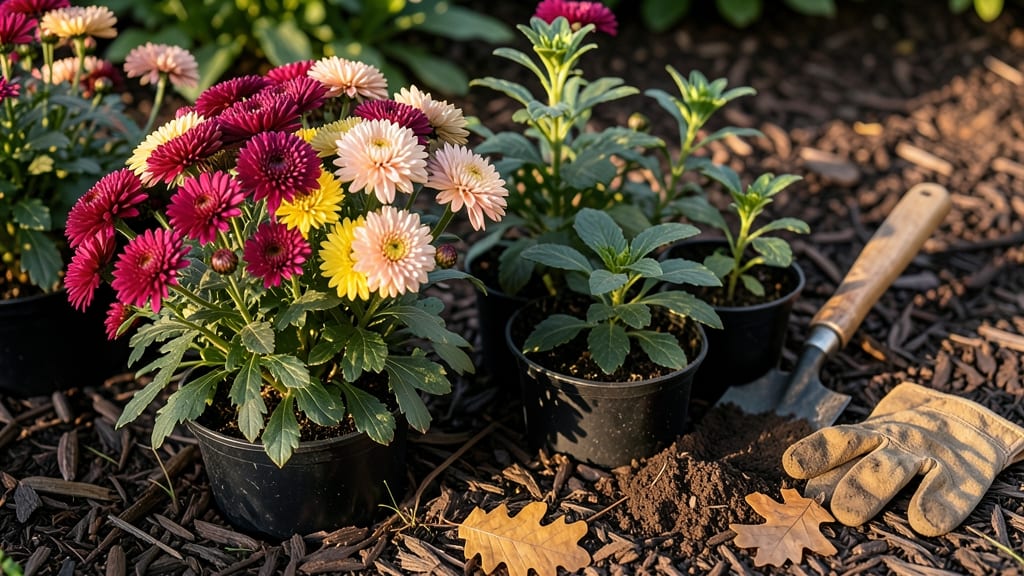
If you’ve ever wondered when can I plant mums in the ground to keep them thriving after the first frost, you’re not alone—but the fix is simpler than you think.
Planting these hardy bloomers at the right time in fall isn’t just about avoiding frost; it’s about giving them the perfect head start to thrive through winter and burst back into color next spring.
For most gardeners in USDA Zone 6a (and similar climates), the ideal window is 4-6 weeks before your first frost, typically late August to early September. This timing lets roots establish before cold sets in, ensuring your mums stay strong and vibrant.
Get it wrong, though, and you’ll end up with leggy, weak plants—or worse, ones that freeze before they even bloom.
I’ve learned the hard way that rushing or waiting too long makes all the difference. Whether you’re planting in containers or directly in the ground, the key is preparing your soil, choosing the right varieties, and knowing when to protect them from early chills.
Let’s break down exactly how to time it right for your climate and garden setup.
From soil prep to post-planting care, I’ll walk you through every step to keep your mums blooming beautifully—no frost damage in sight. Ready to turn your fall garden into a showstopper? Let’s get started.
Ideal fall planting window for mums by US hardiness Zones
Planting mums too early or too late can mean the difference between a vibrant fall display and a frost-killed disappointment. The key is timing: 4-6 weeks before your first frost date, when soil temps drop below 80°F (27°C) but stay above 50°F (10°C).
This window lets roots establish without stressing the plant in extreme heat or cold.
For most gardeners, this means late August to early October in the Northern U.S., but your exact timing depends on your USDA hardiness zone. Southern zones (like 8-10) can plant as late as November, while colder zones (3-5) need to plant by mid-September to avoid winter kill.
Let’s break it down by zone.
🌱 PRO TIP: Check your local frost dates (use the Old Farmer’s Almanac or your cooperative extension service) and count backward 4-6 weeks. This is your planting window—don’t deviate!
| USDA Zone | Ideal Planting Window | Soil Temp Threshold | Key Consideration |
|---|---|---|---|
| Zones 3-5 | Mid-August to early September | 50-70°F (10-21°C) | Early frost risk; prioritize hardy varieties like 'Autumn Joy' |
| Zones 6-7 | Late August to mid-October | 55-75°F (13-24°C) | Balanced window; aim for 6 weeks before frost |
| Zones 8-10 | September to November | 60-80°F (16-27°C) | Warmer climates; plant closer to frost (3-4 weeks out) |
⚠️ Miss the window? Plant in spring (March-April) as a last resort—blooms may be sparse.
If you’re in a transitional zone (like Zone 7b), err on the earlier side. For example, if your first frost is November 15, aim to plant by October 1.
This gives roots time to anchor before winter sets in. Southern gardeners can push it later, but avoid planting when soil temps drop below 60°F (16°C)—roots won’t establish properly.
Another critical factor is daylight exposure. Mums need 10-12 hours of light daily to bloom well. If you’re planting in late September, choose a south-facing spot to maximize sunlight. Shady areas will produce leggy, weak stems with few blooms.
For container-grown mums, the rules are slightly different. Since pots warm up faster, plant them 1-2 weeks earlier than in-ground plants. However, containers also freeze faster—move them to a protected spot (like a garage or under eaves) before 25°F (-4°C) temps hit.
Finally, soil prep makes or breaks your mums. Amend your garden bed with compost or aged manure to improve drainage, and mix in a slow-release fertilizer (like 10-10-10) at planting time. Mums hate soggy soil—ensure your bed has good drainage to prevent root rot.
Once planted, water deeply once a week (more in extreme heat) and mulch with 2-3 inches of straw or shredded leaves to retain moisture and regulate soil temps. This simple step can double your survival rate over winter.
Ideal fall planting window for mums by US hardiness Zones
Planting mums too early or too late can mean the difference between a vibrant fall display and sad, frost-bitten stems. The perfect window is 4-6 weeks before your first frost date, when soil temperatures drop below 75°F (24°C) but stay above 50°F (10°C).
This gives roots time to establish without encouraging leggy growth from long, hot days.
Your USDA hardiness zone determines the exact timing. In Zones 3-5, aim for late August to mid-September—soil cools faster here, and early frosts are common. Meanwhile, Zones 6-8 can plant until early October, as milder winters allow more flexibility.
Check your local frost dates (like October 15 in Zone 6a) and count backward.
Southern gardeners (Zones 9-10) have a bonus: mums thrive year-round in mild climates! Plant in fall or spring, but avoid summer heat, which causes bolting.
For ground planting, choose a sunny, well-draining spot—mums hate soggy roots. Amend clay soil with compost or sand to improve drainage.
Pro tip: If your area has unpredictable frosts, opt for hardy varieties like ‘Autumn Joy’ or ‘Mammoth’. These tolerate 20°F (-7°C) and rebound beautifully in spring. For extra protection, plant near south-facing walls or under deciduous trees—they provide shade in summer but let sunlight through in winter.
After planting, water deeply to settle roots, then mulch with straw (2-3 inches) to insulate soil. This keeps roots cool in summer and warm in winter.
In Zones 4-7, a thick mulch layer can delay frost damage by 2-4 weeks, giving mums a fighting chance for early spring reblooms.
Timing isn’t just about the calendar—it’s about soil temperature and daylight hours. Mums need 12+ hours of daylight to bloom, so planting too early (when days are long) can trigger leggy growth. Wait until daylight shortens naturally (late summer) for compact, bushy plants.
🌼