
Companion Plants
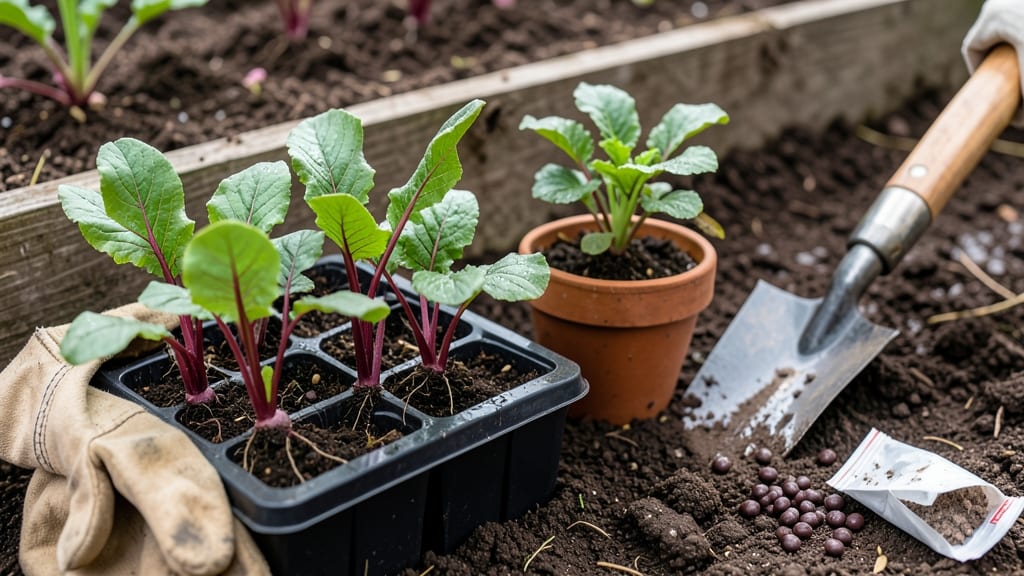
Timing your beet planting in Zone 6 can mean the difference between a bountiful harvest of sweet, tender roots and bitter, stunted vegetables—so let’s get this right from the start.
Beets, with their deep red or golden hues, love cool weather but bolt quickly when temperatures climb above 80°F. In Zone 6, where last frosts linger until mid-April and first frosts arrive by mid-October, you’ve got two prime windows to plant: early spring and late summer.
Miss these, and you might end up with tough, woody roots or no harvest at all.
I’ll walk you through the exact frost-free timeline for Zone 6, including soil temperature tricks to boost germination and how to stretch your harvest season with smart planting strategies. No more guesswork—just a foolproof plan to grow beets that are crisp, flavorful, and ready to harvest when you need them.
Whether you’re a first-time gardener or a seasoned green thumb, these insights will help you avoid common pitfalls and maximize your beet yield. Let’s dive into the best months to plant and keep your garden thriving all season long.
Optimal beet planting months in Zone 6: a month-by-month guide
Beets love cool weather, but in Zone 6, timing is everything to avoid bitter roots or bolting. The ideal soil temperature for germination is 50–85°F, while roots thrive in 55–75°F conditions.
Plant too early, and frost will kill seedlings; too late, and summer heat will make them tough and woody.
Your last frost date in Zone 6 is typically mid-April, while the first frost arrives around mid-October. This gives you two prime planting windows: early spring (March–April) and late summer (July–August) for a fall harvest.
Below is your month-by-month planting guide, including soil temperature thresholds, frost risks, and harvest timelines to keep your beets sweet and tender.
| Month | Planting Window | Soil Temp (°F) | Frost Risk | Harvest Time |
|---|---|---|---|---|
| March | Early (start indoors) | 45–60°F | High (use row covers) | June–July |
| April | Prime (after last frost) | 55–70°F | Low | June–August |
| May | Late (succession plant) | 65–80°F | None | July–September |
| July | Fall prep (shade cloth) | 60–75°F | None | October–November |
| August | Best for fall harvest | 55–70°F | Low (after Labor Day) | October–December |
In March, start seeds indoors or under row covers if nights are still chilly. Once soil warms to 50°F+, direct-sow outdoors for a June–July harvest. Avoid planting in May if temperatures exceed 80°F, as this triggers bolting.
For a fall harvest, focus on July–August plantings. Use shade cloth (30–50%) if daytime temps hit 85°F+ to prevent bolting. Aim to harvest before first frost (mid-October), but beets can tolerate light frosts for sweeter flavors.
Pro tip: Succession plant every 2 weeks in spring and fall to ensure a steady supply. For example, sow a batch in early April, another in mid-May, and a final one in early August for continuous harvests.
If you’re unsure about your last frost date, check your local USDA Plant Hardiness Zone Map or use a frost calendar for your specific city. For instance, Chicago (Zone 6a) has a later last frost than Raleigh (Zone 6b), so adjust accordingly.
Remember, beets are cool-season crops, so prioritize early spring and late summer plantings. With the right timing, you’ll enjoy tender, sweet roots from June through November—no bitter aftertaste in sight!
Optimal beet planting months in Zone 6: a month-by-month guide
In Zone 6, timing is everything for growing sweet, tender beets. Plant too early, and frost will damage seedlings; too late, and summer heat will make them bitter.
The ideal window spans early spring (March–April) and late summer (July–August), when soil temperatures hover between 50–75°F—perfect for germination and growth.
Your last frost date in Zone 6 is typically around April 15, but soil warmth matters more than calendar dates. Use a soil thermometer to confirm temps are at least 50°F before planting.
For fall crops, aim to sow seeds 8–10 weeks before your first frost (October 15) to ensure harvest before cold sets in.
| Month | Planting Window | Soil Temp (°F) | Notes |
|---|---|---|---|
| March | Early March (cold-hardy varieties) | 45–55°F | Use row covers for frost protection. |
| April | Mid-April (ideal for most varieties) | 50–65°F | Best time for spring planting. |
| July | Early July (for fall harvest) | 60–75°F | Provide afternoon shade to prevent bolting. |
| August | Late August (last chance for fall) | 55–70°F | Choose fast-maturing varieties. |
For spring planting, start seeds indoors 4–6 weeks before your last frost to get a head start. Direct-sow outdoors once soil is workable, spacing seeds 1 inch apart in rows 12 inches apart. Thin seedlings to 3–4 inches apart when they’re 2–3 inches tall to prevent overcrowding.
If you miss the spring window, don’t despair—fall planting can be just as productive. Sow seeds in late July or August for a harvest before winter.
Use shade cloth (30–50%) to protect seedlings from intense summer sun, which can cause bolting (flowering too soon). Mulch heavily to retain moisture and cool the soil.
Pro tip: Succession plant every 2 weeks in spring and fall to ensure a steady supply of fresh beets. This works especially well for baby beets, which mature in just 40–50 days. By staggering plantings, you’ll avoid glutting your kitchen with a harvest all at once.
Monitor your garden closely for pests like leaf miners or diseases such as leaf spot, which thrive in Zone 6’s humid summers. Crop rotation and proper spacing are your best defenses. With the right timing, you’ll enjoy sweet, homegrown beets from early summer through fall!